The store will not work correctly in the case when cookies are disabled.
We use cookies to make your experience better.To comply with the new e-Privacy directive, we need to ask for your consent to set the cookies.Cookies Policy.
Here is a complete list of CPAP tips compiled from sleep medicine doctors, respiratory therapists, and medical experts at The CPAP Shop. Use these CPAP tips and tutorials to learn more about how to use your equipment for better long-term CPAP compliance.
CPAP Tips for Beginners
Patients recently diagnosed with OSA or new to CPAP therapy, check out CPAP tips for long-term CPAP therapy compliance. Our CPAP tips for beginners can help answer common questions and clear up confusion associated with the use of CPAP equipment.
Tips for Using CPAP
Are you struggling with the proper use of your CPAP equipment? Here you will find detailed CPAP tips compiled from sleep expert interviews and data collected from CPAP users like you. We hope our CPAP tips will make your nightly CPAP therapy more comfortable and easier.
CPAP Tutorial
Find descriptive CPAP tutorials with step-by-step instructions on various aspects of CPAP products, including CPAP masks, machines, and supplies. Our CPAP tutorials were created by equipment manufacturers, sleep therapists, other CPAP users, and our own customer support team in an effort to help patient compliance with CPAP therapy and reduce the negative effects of sleep apnea. In our CPAP tutorial section, you can find articles on general troubleshooting, common setting updates, and much more. Our goal is to help you use your CPAP equipment successfully.
CPAP Cleaning Tips
Ensure your CPAP compliance by learning the basics of CPAP equipment maintenance and cleaning. Our essential CPAP cleaning tips and CPAP maintenance tips will also ensure that your equipment has a long and effective life.
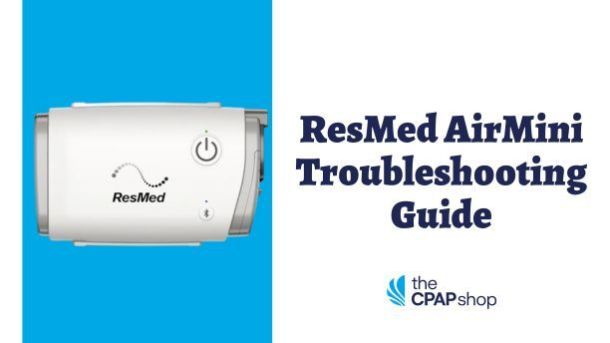
The ResMed AirMini Auto Travel CPAP provides essential therapy for patients with sleep apnea on the go. The ResMed AirMini is a user-friendly travel CPAP machine with features for enhancing sleep comfort while away from home.
For a lot of new CPAP users, and even long-time users, it can be common to experience things like sore spots, irritation, and even facial rash when using CPAP equipment. Luckily, there are ways to prevent these inconveniences to ensure that you get the sleep you need. Follow these tips to get the most out of your CPAP therapy and avoid red marks and irritation. How to Treat Sore Spots ...
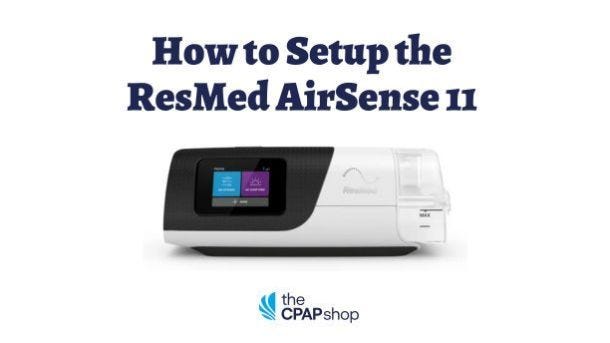
The ResMed AirSense 11 AutoSet CPAP Machine with Heated Humidifier offers all the benefits of an auto-adjusting pressure device with an integrated heated humidifier that provides soothing warm moist air to prevent CPAP side effects, wireless connectivity for ease of use, and patient support that helps you receive the best CPAP therapy possible.
There are many styles of CPAP masks available for sleep apnea patients. But, they are not one size fits all. These masks must fit specifically to each individual in order for them to be effective and be comfortable. A comfortable CPAP mask is one of the biggest determinants of compliance; the mo...
The leading form of treatment for people suffering from obstructive sleep apnea (OSA) is continuous positive airway pressure or CPAP therapy. A CPAP machine uses a hose and mask to deliver a constant flow of pressured air to keep the airway open throughout the night and reduce apnea episodes. Some CPAP users...
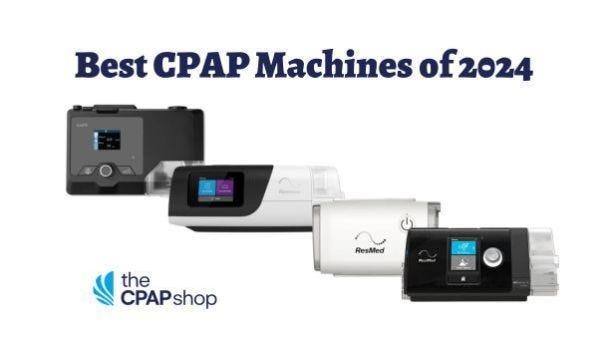
There are a lot of factors that go into selecting a CPAP machine for your therapy needs. Our experts have reviewed some of the top-rated CPAP machines and their features and benefits to help make it easier to choose a CPAP machine that’s right for you. Here are the best CPAP Machines 2024.
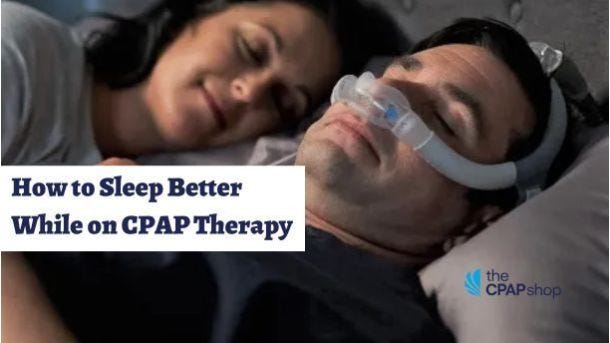
What Is CPAP Therapy? Even if you are on CPAP therapy, there are other things you can do to help make your evening conducive to a better night’s sleep and your sleep more comfortable. The study of sleep has been expanding rapidly, leading to much new research and innovative products that are available to help get you the sleep you deserve.
This post was originally posted on August 1, 2017, and updated on March 28, 2022.
CPAP therapy is not easy for a lot of users, especially those new to CPAP machines. Wearing a mask during sleep with pressurized air doesn’t feel normal and can lead to users abandoning their therapy. AutoRamp and adjustable ramp time are features available on many CPAP machines that help users get accustomed...
This post was originally posted on May 5, 2020, and updated on July 15, 2022.
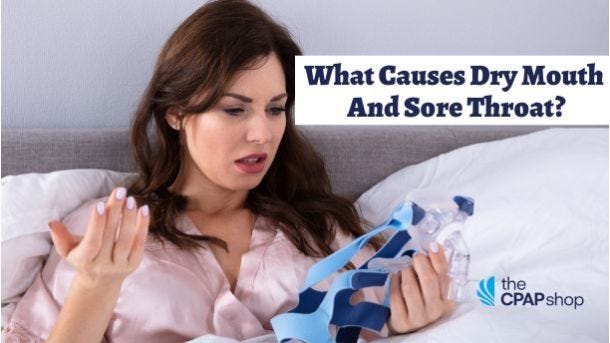
While are there many health benefits to staying CPAP compliant, including better sleep, there may also be some side effects with CPAP therapy. It is not uncommon for CPAP patients to experience dry mouth or a sore throat in the morning after a night of CPAP therapy, especially if they use their CPAP machine every ...
In most instances, you shouldn’t have any major issues with your CPAP machine if it is brand new. However, every now and then you might experience a problem with an older machine that requires replacement or repair. Here are a few questions to ask to ensure your CPAP machine is working properly.
How Do I Know If My CPAP Machine Is Broken?
Like any machine, CPAP machines can break down or wear ...
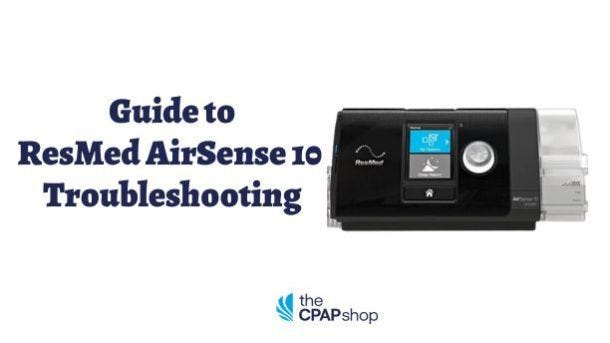
The ResMed AirSense 10 offers nights of consistently effective CPAP therapy for many people who have sleep apnea. As one of the leading brands of CPAP machines, the ResMed AirSense 10 has received five-star reviews and continues to be popular with new users just starting their therapy and those with sle...
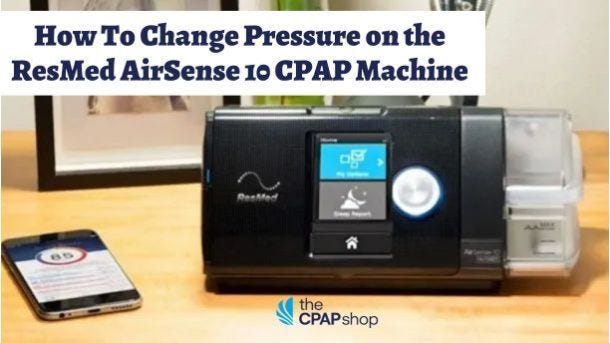
Many patients just beginning their CPAP therapy may experience difficulty getting used to the air pressure from their CPAP machine. Most often, users describe a sense of breathlessness when exhaling against their prescribed air pressure. Pressure relief on the ResMed AirSense 10 allows individuals to adjust air pressure during exhalation for greater comfort during therapy.
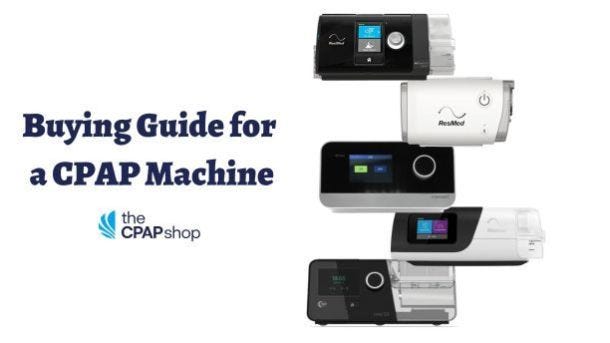
Selecting the right CPAP machine that fits your CPAP prescription needs ensures CPAP compliance and a comfortable therapy experience. Many users may try out different machines until they find one that works best for them. Here is a simple guide to help you find and choose the best CPAP machine for a good night’s sleep.
What Are CPAP Machines Used For?
CPAP machines are used to treat ...
CPAP, or continuous positive airway pressure, is the gold standard for treating obstructive sleep apnea. Sleep apnea is a sleep disorder that causes the throat muscles to collapse during sleep, preventing oxygen from traveling to the brain and lungs. Left untreated, this disease has been linked to a number of health risks.
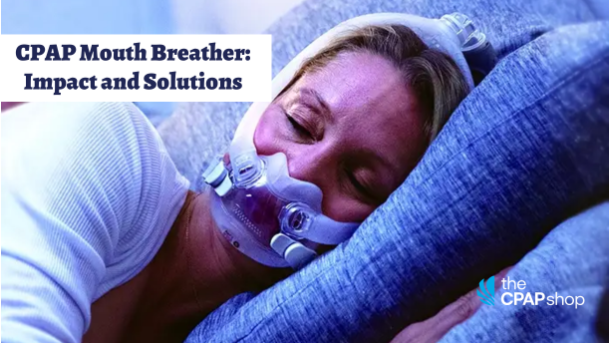
Mouth breathing is common among sleepers with and without sleep apnea. It can have an impact on those trying to manage their sleep apnea with CPAP. If you are a mouth breather while you sleep and are using CPAP, then you might want to think about your CPAP equipment options.
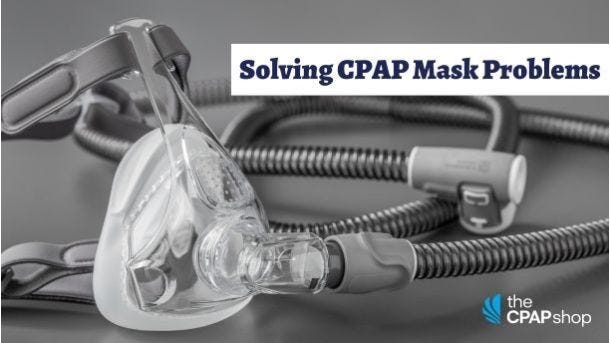
Condensation build up on CPAP full face masks results in hissing sounds as the air escapes through the air vents. CPAP masks can eventually make a whistling noise over time. This does not mean your mask is defective. You can use some simple remedies to go to sleep with a quiet mask.
Even if you are on CPAP therapy, there are other things you can do to help make your evening conducive to a better night’s sleep and your sleep more comfortable. The study of sleep has been expanding rapidly, leading to much new research and innovative products that are available to help get you the sleep you deserve. Even if your CPAP machine is your first defense, many of these p...
If you have been diagnosed with sleep apnea, your doctor has most likely prescribed CPAP therapy as a treatment. The more you know about CPAP, the more effective your therapy will be. Our beginner’s guide answers the most important questions about CPAP therapy, from equipment to best practices.
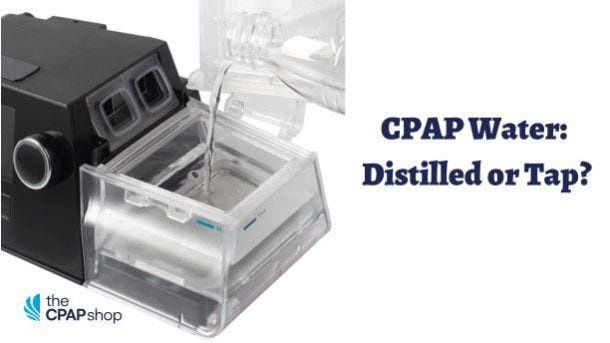
The type of water you use for your CPAP humidifier is important to ensure the long life of your machine. Distilled water is the most preferred by CPAP machine manufacturers. Tap water, while less expensive, can cause harm to your machine over time. Filtered water is another option that is comparable to distilled. Avoid bottled waters labeled as spring or mineral water, as they may leave mineral deposits that can cause harm to your machine.
We receive calls on an almost daily basis from people who find that their new cpap masks will not connect to their tubing correctly. In this video, Chris discusses a common problem that many people do not realize is affecting their tube (and how to fix it).
In many cases, the swivel piece that belongs to your old mask becomes (sometimes very firmly) stuck in your tube, which means your ...
Sometimes we get calls from CPAP patients using full-face CPAP masks asking what to do about the feeling that they can’t breathe with a CPAP mask. Like aircraft pilots, CPAP patients can get the sensation of not being able to breathe. This sensation could be caused by several different factors.
The results for CPAP therapy can vary. The severity of your obstructive sleep apnea and your compliance all factor in. Many patients may have a rough start from discomfort with the equipment and stop therapy, which can delay progress. The more disciplined you become with your CPAP therapy, the sooner you will see results.
CPAP Compliance. It’s a word that people with obstructive sleep apnea hear regularly, and also concept that’s critically important in making sure patients experience the positive benefits their therapy is designed to provide. Simply put, compliance means following through with all aspects of therapy as prescribed by your physician.
Panic attacks can be common among people who are first starting CPAP therapy. According to a 2012 study at the University of California, Berkeley, when a person has apnea, their body releases certain hormones of anxiety and panic to try to restore breathing. In addition, people who suffer from panic attacks, in general, are more likely to have episodes while trying to fall asleep or while sleeping.
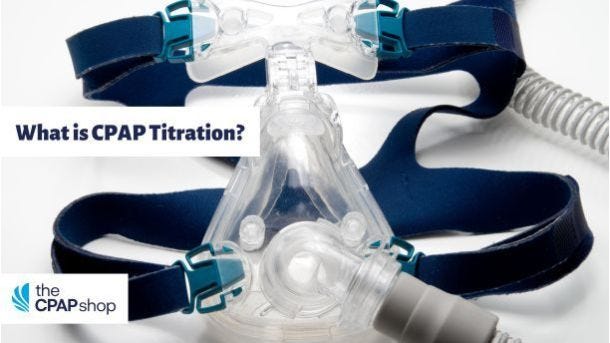
Apnea events occur at different intervals and levels of severity for every person with OSA. Throughout their lives, CPAP machine users will need to have follow-up titration conducted during their sleep study in order to make adjustments. This is the process of checking and adjusting the air pressure for the patient to ensure that it is optimized to eliminate the apneic events during the night....
This post was originally posted on June 5, 2022, and updated on March 29, 2023. We’re all looking for ways to save money but when it comes to your health, remember there is a price to pay if you try to cut corners. While buying a used machine may save you money upfront, there is a significant cost to compromising the quality and efficacy of your CPAP therapy. Here’s what to consider...
When selecting an auto-adjusting CPAP machine, consider two well-known models. The ResMed AirSense 11 and the 3B Luna II offer many useful features for users and provide reliable and consistent performance for CPAP compliance. Auto CPAP machines are especially useful for new users getting started with PAP therapy as they need time to get accustomed to breathing pressurized air while they sleep. Both of these machines offer features to help anyone experiencing comfort issues with a standard CPAP machine.
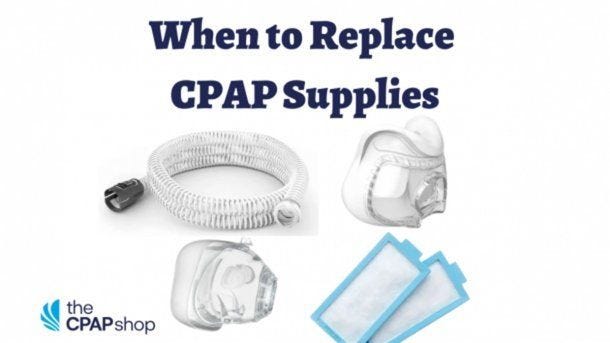
CPAP masks have a lifespan, which is amount 3 months. Over time the masks become worn, and the seal becomes less effective, which means you do not receive the highest performance from your CPAP therapy. Some CPAP masks may begin to show wear even before their expiration date, depending on the amount of use they receive.
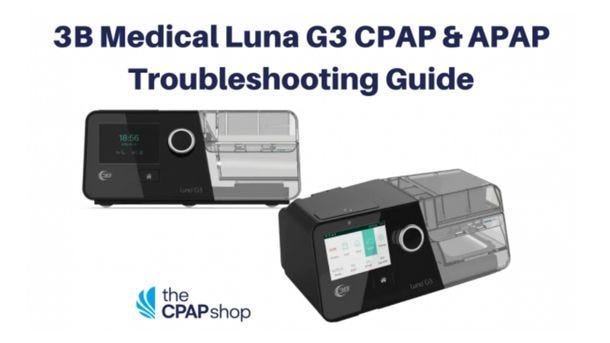
The 3B Medical Luna G3 CPAP & APAP provide essential therapy for patients with sleep apnea. The G3 CPAP is a user-friendly CPAP machine with features for enhancing sleep comfort and managing sleep data. The G3 APAP offers the benefit of automatic pressure settings to help some patients adjust more easily to CPAP therapy and includes many of the beneficial features of the G3 CPAP.
This post was originally posted on July 25, 2017, and updated on July 18, 2022. This post compares the four most popular CPAP machines built for travel on the market in 2019. If you have sleep apnea and are a camper, trucker, pilot, hunter, fisherman, travel for business or pleasure frequently, want to sleep comfortably on a flight, plan to take a cruise or go sailing.
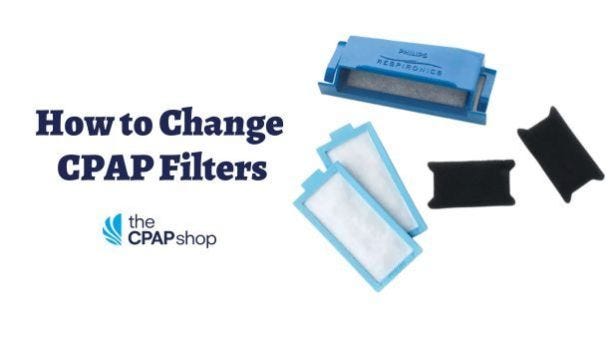
It's very important to keep CPAP machines and all of their supporting parts and equipment as clean as possible for the most effective CPAP therapy every night. Cleaning and maintaining your CPAP machine helps ensure healthy CPAP therapy and the long-term performance of your machine. Most cleaning and maintenance procedures are easy to follow and do not require special equipment or prod...
One recent study found that oropharyngeal exercises significantly reduced the severity of sleep apnea, leading to improved sleep quality and reductions in snoring and daytime sleepiness.
The study was conducted on subjects with moderate OSA where they undertook a consistent and regimented set of exercises in a controlled study group over three months. The result was a 39 percent reduction i...
This post was originally posted on May 5, 2020 and updated on February 25, 2022. A CPAP machine offers a lot of benefits from improved sleep to feeling more alert and rested during the day. Because frequent lack of quality sleep can also contribute to heart disease, stroke, diabetes, depression, and early onset of dementia, there are long-term health advantages to CPAP therapy. However, ...
While we all have our favorite sleep position, the different positions can impact sleep apnea therapy. Fortunately, a proper-fitting CPAP mask can help maintain consistent CPAP compliance while letting you sleep your way.
What Do Your Sleep Positions Mean?
In addition to using a CPAP machine for sleep apnea therapy, there are also other ways to improve your symptoms that can have...
Truckers with sleep apnea face a unique problem when it comes to PAP therapy. Spending many hours on the road puts special demands on their CPAP equipment. This makes it more difficult to stay CPAP compliant and perform their truck driving responsibilities.
The Federal Motor Carrier Safety Administration and the American Trucking Associations found that 28% of commercial truck...
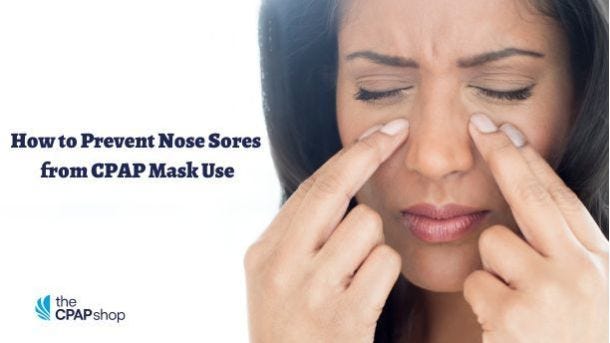
A common complaint from many CPAP users is nasal soreness, both inside and around the nose. While nose sores are a common side effect of CPAP therapy, they do not need to define your experience. Understanding why these nose sores occur is the first step to preventing them. Can CPAP Cause Sores in the Nose? CPAP therapy can cause two types of nose sores: nasal passage....
Even when you are fully compliant with your CPAP therapy, you may notice over time that the frequency of your apneas may get worse. This can be frustrating when you have done all that you can to manage your sleep apnea. But there are some simple tips you can follow that can bring down your AHI score overnight.
What is AHI?
AHI, or apnea hypopnea index, is the numb...
If you are new to CPAP therapy, you may be overwhelmed by the various settings and numbers displayed on your CPAP machine. The readings on your CPAP machine reveal important information about your sleep health and the success of your therapy. In this guide, we will break down some of the key readings you should pay attention to, what those readings mean, and offer some best practices for r...
CPAP, or continuous positive airway pressure, therapy is the most effective form of treatment for obstructive sleep apnea. A small, bedside machine produces pressurized air that flows through a tube to a mask worn by the patient. The air pressure helps to keep the airway from collapsing, allowing patients to breathe throughout the night and sleep restfully. CPAP machines require a valid pr...
According to the American Sleep Apnea Association, sleep apnea affects approximately 22 million people.1Thankfully, for those who are diagnosed with obstructive sleep apnea (OSA), treating and managing your OSA can be simple and effective. Most physicians recommend continuous positive airway pressure (CPAP) as a first-line treatment for OSA. With CPAP therapy, a device delivers pressurized...
CPAP financing helps you pay for the CPAP equipment you need without stressing about the upfront cost. Your personal health and well-being should always come first. With that in mind, The CPAP Shop has made paying for your CPAP machine and accessories over time easier than ever thanks to our partners at Bread. Just fill out a simple, quick application to see if you qualify.
...
CPAP devices have come a long way thanks to the progress of technology. CPAP machines have become more effective in treating obstructive sleep apnea. And, most are now capable of collecting data about sleep therapy and its effectiveness. We take a look at how to protect your sensitive CPAP data in this post about CPAP data privacy.
Collecting data about sleep therapy has numerous be...
If you plan to travel abroad, you may have questions about how to ensure the successful operation of your CPAP device. Of course, we always recommend traveling with your CPAP machine. It will not only keep you alert but will help ensure a fully restful journey. Based on customer questions, we’ve compiled a few answers to the most frequently asked questions regarding CPAP batteries and machine ...
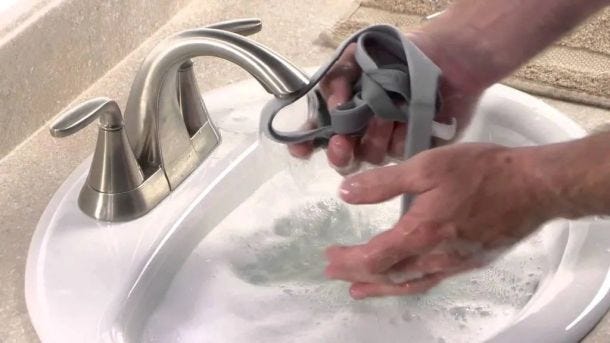
Cleaning your CPAP equipment is a very important part of treating your sleep apnea. Here are some quick pointers for cleaning the various parts of your machine.
We surveyed 222 compliant CPAP users to find out what advice they have for people who are new to CPAP therapy. We compiled all their responses and the result is this post outlining the top tips for better CPAP therapy tips from real CPAP users who have been successfully compliant for at least a year.
The Top Two Most Common CPAP Therapy Tips are:
The number one piece of a...
We recently posted a video that shows how to connect batteries to CPAP machines. Battery power is critical to people in CPAP therapy in times when power is not available, and having CPAP battery packs could be crucial in emergencies or just to travel.
What happens to a dedicated and compliant CPAP user when the power goes out? How about traveling or camping and not being able to rely on sta...
Many older adults who are on CPAP also may need supplemental oxygen. Supplemental oxygen is typically for people who have some form of pulmonary disease such as COPD, emphysema, or lung cancer. A CPAP user might also need oxygen at night while asleep due to low blood oxygen levels. Whatever the case, if supplemental oxygen is necessary, CPAP users might run into challenges when purchasing...