

CPAP Mask Noise When Inhaling

CPAP Mask Noise When Inhaling

February 25, 2026 | |
Authored by

CPAP masks can eventually make a whistling  noise over time. This does not mean your mask is defective. You can use some simple remedies to go to sleep with a quiet mask.

Is Your CPAP Mask Making a Whistling Noise?

A noisy CPAP mask can interrupt your sleep just as much as your sleep apnea. Don’t abandon your CPAP therapy because it’s too noisy.

Why Does My CPAP Mask Whistle?

Loose connections, damaged tubing, or improper mask fittings can allow the high-pressure air from your CPAP machine to escape as a high-pitched whistle.

How to Stop a CPAP Mask from Whistling?

Problem in Mask Fitting

A CPAP mask that does not fit properly will allow air to leak out at higher pressures. Make sure the seal around your mask is secure. Use mask wipes or warm, soapy water daily to remove oil and dirt residue on your CPAP cushion. Reference your mask's user guide to determine if your mask size is too big or small.

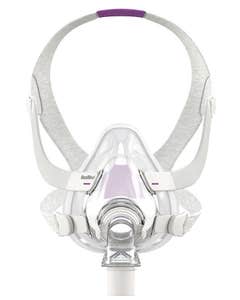
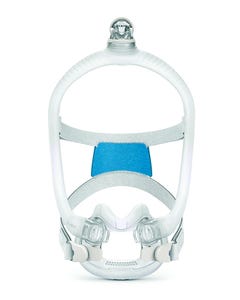
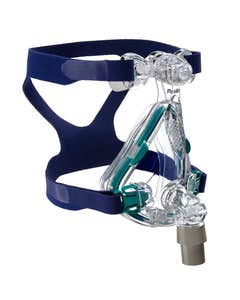
  • Full face masks: cover from bridge of nose to just below bottom lip
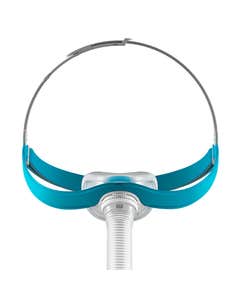
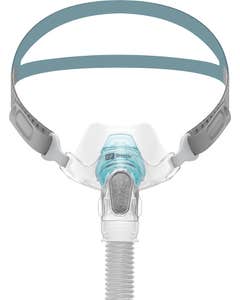
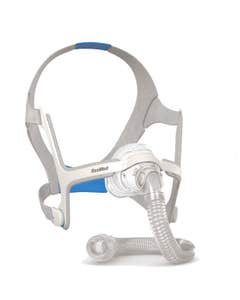
  • Nasal masks: cover from just under nose bridge to just above upper lip
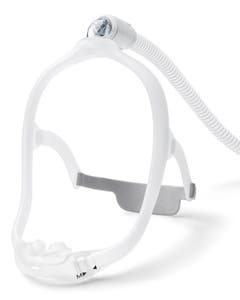
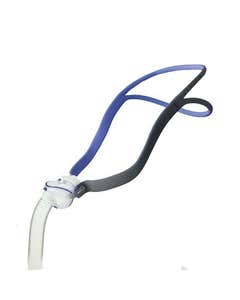
  • Nasal pillow masks: should fit comfortably inside the nostrils with minimal effort.

You may need a larger or smaller mask size if it does not fit properly. If your cushion is damaged, be sure to replace it immediately. Any one of these issues could be contributing to a whistling CPAP setup.

Problem in Hose Connection

CPAP tubing is very important; it's what allows the air being generated by the CPAP machine to travel to the user airway, keeping it open. If the tube is improperly connected, it could be allowing air to leak out, resulting in whistling noises. Ensure the hose is securely attached to both the CPAP machine and the mask.

Hose Needs to Be Replaced

A worn-out hose may develop tears or cracks allowing air out. If you find damage to your hose, replace it. This should be one of the first steps taken, as it can generally be the least expensive.

CPAP Machine Is Too Loud

Some CPAP machines are simply noisy. So it may not be your CPAP mask at all. Consider a new CPAP machine with quieter performance. 

Resolving CPAP Mask Whistling Problems on Different Types of Masks: 

Hissing Sound on Full Face CPAP Masks

Full face masks can often produce loud hissing sounds when in use. This is usually due to condensation build-up as air escapes through the vent holes.

Reducing the temperature level of the heated humidifier to a comfortable level will help prevent tube condensation and the associated hissing that comes with it.

Whistling Problem on Nasal CPAP Masks

Nasal masks are also susceptible to whistling or hissing problems. One possible reason is that the tiny vent holes in your mask have become clogged. Try cleaning these holes with a toothpick or hard bristle brush to stop the whistling.

Whistling Sound on Nasal Pillow CPAP Masks

The whistling sound from nasal pillow masks typically comes from a high humidifier temperature, so be sure to adjust the temperature to a lower level.

Where to Buy Genuine CPAP Masks Online?

Purchase high-quality, genuine CPAP masks which are less likely to experience common mask problems at The CPAP Shop. We offer a 30-day money-back guarantee on all CPAP masks. If you have any questions about our offerings, contact our knowledgeable customer care team at 866-414-9700 or email us at questions@thecpapshop.com.

You finally settle into bed, get your mask adjusted, and take your first deep breath—only to be met with a sharp whistle or a loud "wind tunnel" sound. Noise during inhalation is one of the most common complaints, but in 2026, it is almost always fixable without buying a new machine.

Whether it’s a "reed effect" in your vents or a micro-leak in your cushion, here is how to find and kill the noise.

Is Your CPAP Mask Making a Whistling Noise?

A noisy CPAP mask can interrupt your sleep just as much as your sleep apnea. Don’t abandon your CPAP therapy because it’s too noisy. Loose connections, damaged tubing, or improper mask fittings can allow the high-pressure air from your CPAP machine to escape as a high-pitched whistle.

How to Stop a Mask from Whistling

Check Your Vents

If your mask makes a high-pitched whistle specifically when you breathe in, check the exhalation ports (the tiny holes where air escapes).

  • The Cause: If even a single drop of moisture from your humidifier gets trapped in those holes, the air rushing past it creates a "whistle," much like blowing across the top of a bottle.

  • The 2026 Fix: Switch to a mask with diffused venting or QuietAir™ technology (standard on Resmed’s 2026 line). These use a fine mesh or multi-hole design that breaks up the air, making it virtually impossible for water to create a whistling "reed" effect.

Secure Your Cushion Seal

If you hear a "fluttering" or "farting" sound when you inhale, your cushion seal is likely failing at high pressure.

  • The 2026 Fix: Modern masks like the F&P Nova or AirFit F40 use "adaptive" silicone that is thinner and more flexible than older models. If your cushion is more than 90 days old, the silicone has likely lost its "tackiness."

  • Pro Tip: Use the "Mask Fit" feature on your machine. In 2026, machines like the AirSense 11 will run a high-pressure burst to help you identify exactly where the seal is breaking before you fall asleep.

Problem in Hose Connection

CPAP tubing is very important; it's what allows the air being generated by the CPAP machine to travel to the user airway, keeping it open. If the tube is improperly connected, it could be allowing air to leak out, resulting in whistling noises. 

  • The Fix: Disconnect the mask, wipe the plastic connectors with a damp cloth to remove any dust or oils, and firmly reconnect. If the hiss persists, your tubing cuff may have stretched out. In 2026, we recommend tapered heated tubing, which provides a tighter, more secure friction-lock than standard generic hoses.

Make Sure Humidifier is in Place

Is the noise coming from the mask or the machine? Sometimes a whistle travels down the tube and sounds like it's in your mask.

  • The Cause: If your humidifier chamber isn't pushed in all the way, air whistles through the internal gasket.

  • The 2026 Fix: Ensure your water tub "clicks" into place. On 2026 models like the Luna G3, the side-loading chamber must be perfectly flush, or the inhalation pressure will cause a "harmonic vibration" that sounds like a whistle at the mask end.

Adjust Your EPR (Expiratory Pressure Relief)

If the noise happens exactly at the moment you switch from exhaling to inhaling, it might be your machine’s motor revving up.

  • The Fix: Try adjusting your EPR settings. Lowering the relief setting (e.g., from 3 down to 1) makes the pressure transition smoother and reduces the "revving" sound of the motor.

Resolving CPAP Mask Whistling Problems on Different Types of Masks

Hissing Sound on Full Face CPAP Masks

Full face masks can often produce loud hissing sounds when in use. This is usually due to condensation build-up as air escapes through the vent holes.

Reducing the temperature level of the heated humidifier to a comfortable level will help prevent tube condensation and the associated hissing that comes with it.

Whistling Problem on Nasal CPAP Masks

Nasal masks are also susceptible to whistling or hissing problems. One possible reason is that the tiny vent holes in your mask have become clogged. Try cleaning these holes with a toothpick or hard bristle brush to stop the whistling.

Whistling Sound on Nasal Pillow CPAP Masks

The whistling sound from nasal pillow masks typically comes from a high humidifier temperature, so be sure to adjust the temperature to a lower level.

Where to Buy CPAP Masks Online

Purchase high-quality, genuine CPAP masks which are less likely to experience common mask problems at The CPAP Shop. If you have any questions about our offerings, contact our knowledgeable customer care team at 866-414-9700 or email us at questions@thecpapshop.com.

Looking to find the best CPAP mask for you? The CPAP Shop has partnered with MaskFit AR to offer hassle-free, personalized shopping recommendations that will help you find the perfect CPAP mask to fit your needs. Simply answer some questions, scan your face, and we’ll help you find the right mask for you. Watch this video to learn how MaskFit AR works!

This post was updated with the latest information in February 2026.

Recent posts

Share this Post


Chris Vasta

Chris Vasta is the president of The CPAP Shop and an expert in sleep and respiratory therapy. He often provides insights on product design and functionality on various manufacturers’ prototypes and is frequently tapped to provide reviews on new releases.