
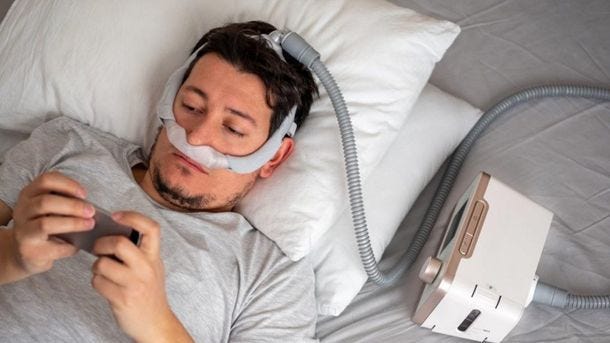
How to Improve CPAP Compliance
Key Takeaways
-
Compliance is measured, not just felt: 4+ hours of nightly use on at least 70% of nights, per most insurer and clinical standards.
-
The first month is the highest-leverage window you'll get, more predictive of long-term success than anything you try later.¹
-
Struggling early is common, not a sign CPAP won't work for you.¹
-
Adherence varies by OSA severity, generally higher in more severe cases.¹
Quick answer: CPAP compliance is typically defined as using your machine at least 4 hours a night on 70% of nights. Adherence rates vary widely by OSA severity, but research consistently shows one thing: how you do in the first month strongly predicts how you'll do long term. Getting the basics right early, mask fit, comfort settings, realistic expectations, matters more than any single trick later on.
What Counts as CPAP Compliance
Most insurers and sleep physicians define compliance as using your CPAP machine at least 4 hours a night on 70% of nights, typically assessed within the first 90 days of therapy. New users are often given roughly 4 to 6 weeks to adjust before compliance is formally evaluated.
Why the First Month Matters More Than You'd Think
This is the single most useful thing to know about CPAP compliance: research tracking long-term adherence found that patients who reached high adherence within their first month of therapy had a 79% probability of still being highly adherent two years later.¹ The habits and troubleshooting you do in the first few weeks largely determine your long-term outcome, far more than anything you might try to fix six months in, which is why it's worth the extra effort to get mask fit, pressure settings, and comfort features dialed in early rather than pushing through discomfort and hoping it resolves on its own.
For context on how common early struggle actually is: long-term non-adherence runs as high as 30% to 43% in various studies, and one long-term study found adherence rates of 89% among patients with severe OSA, compared to 71% for moderate and 55% for mild cases, likely because more severe symptoms make the benefit of treatment more immediately noticeable.¹
Why Sleep Apnea Is Worth Treating Consistently
Obstructive sleep apnea affects an estimated 22 to 29 million American adults, and roughly 80% of moderate-to-severe cases go undiagnosed.² Left untreated, it's linked to high blood pressure, stroke, heart problems, diabetes, depression, and increased ADHD-like symptoms, an overlap covered in more depth in our post on why sleep apnea gets mistaken for ADHD and anxiety. CPAP therapy reliably reduces the breathing interruptions that drive these symptoms, but only if it's actually used consistently, which is exactly why compliance, not just having the right machine, is the real determinant of outcomes.
What Actually Helps
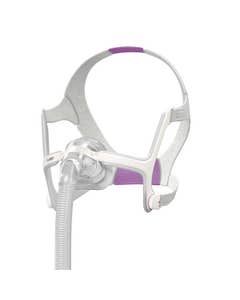
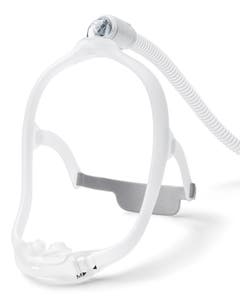
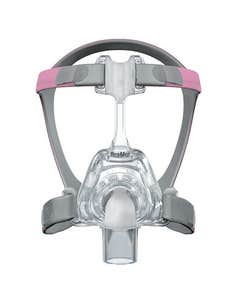
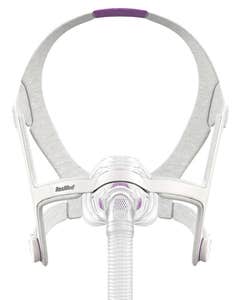
Get your mask fit right first, before anything else. Mask discomfort is one of the most common reasons people abandon therapy early. If you're still working through fit, claustrophobia, dryness, or pressure discomfort, our guide on getting used to a CPAP machine covers specific fixes for each of these in more depth than we'll repeat here.
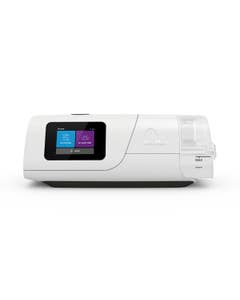
Use ramp and comfort features deliberately, not just as defaults. Ramp, humidification, and expiratory pressure relief exist specifically to make the first weeks easier; if you haven't adjusted them from factory settings, that's a quick, high-value fix.
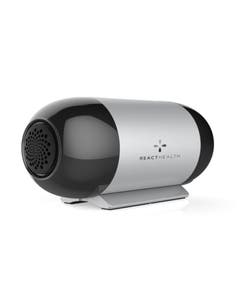
Keep equipment clean and current. A dirty filter or worn mask cushion doesn't just cause odor, it reduces therapy effectiveness and comfort, both of which erode compliance over time. For a full cleaning routine and which cleaning products are actually safe for your equipment, see our guide on why your CPAP might smell bad.
Don't over-buy. If only a cushion or headgear strap has worn out, replace that part rather than the whole mask, most parts are sold individually and it's a simpler, cheaper fix.
Schedule regular follow-up with your doctor. Ongoing check-ins let your provider confirm your equipment is working correctly and your pressure prescription still fits your needs, since needs can shift over time.
Set realistic expectations, and build a support system. Most new users need a genuine adjustment period, and having people to talk to, whether a partner, a doctor, or an online CPAP community, makes it easier to push through the early weeks that matter most.






Frequently Asked Questions
Does OSA severity affect how likely I am to stay compliant?
Somewhat, adherence tends to run higher among patients with more severe OSA, possibly because the benefit of treatment is more immediately noticeable.¹
What if I've already struggled for months, is it too late to improve compliance?
No. The first-month data shows the strongest correlation with long-term outcomes, but it's not a hard deadline, addressing mask fit, comfort settings, or lingering discomfort can still meaningfully improve adherence at any point.
This article is for general informational purposes only and is not medical advice. If you're struggling with CPAP compliance, talk to your doctor or equipment provider rather than stopping therapy, most issues are solvable with the right adjustments.
The CPAP Shop offers CPAP machines, masks, and accessories, along with the guidance to help you find what actually works for your therapy. Call 866-414-9700 with any questions.
This post was originally published August 9, 2023, and updated September 23, 2026.
References
-
"Trends in CPAP Adherence Over Twenty Years of Data Collection: A Flattened Curve." PMC. ncbi.nlm.nih.gov/pmc/articles/4992257; "Determinants and Rate of Long-Term Adherence to Continuous Positive Airway Pressure in Obstructive Sleep Apnea: A Multicenter Retrospective Study." PMC. pmc.ncbi.nlm.nih.gov/articles/PMC12459958
-
American Academy of Sleep Medicine / Frost & Sullivan. "Hidden Health Crisis Costing America Billions." aasm.org/resources/pdf/sleep-apnea-economic-crisis.pdf