We use cookies to make your experience better. To comply with the new e-Privacy directive, we need to ask for your consent to set the cookies. Cookies Policy.



The CPAP Shop Difference
The CPAP Shop has been offering quality products and expertise to customers with sleep apnea for over 15 years. We know that adjusting to therapy is a challenge and we're here to ease that transition. We pride ourselves on delivering superior customer care—from helping you pick the right CPAP equipment to fit your needs to troubleshooting any issues that pop up over time. We’re always only a call, chat, or email away!

CPAP Machines, Masks, and Equipment for Sleep Apnea
If within 7 days of purchase, your item goes on sale or you spot a lower price on the exact item at an authorized reseller, let us know and we will credit you the difference.

Try almost any mask for 30 days (and nights!). If you don’t like it, we’ll refund your order and help you pick a new mask that better suits your needs
Free shipping within the continental US. Most orders placed before 3pm EST Monday-Friday are shipped the same day.
Through Bread®, we offer affordable monthly payment options with rates as low as 0% APR for 6-month financing*.
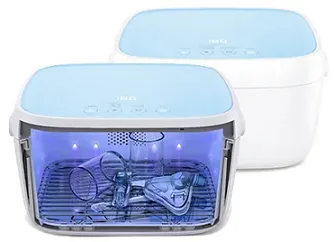
Stay Healthy This Winter →
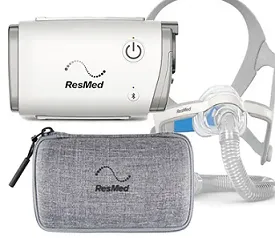
Portable & Travel-Friendly →
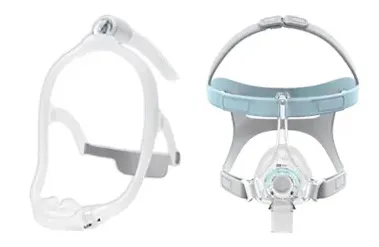
Masks Under $99 →
Virtual Mask Recommender + Fit Guide
Whether you’re new to CPAP therapy or have been receiving therapy for a while, we know that finding the right mask can be difficult. Take this short, interactive quiz and we'll provide personalized recommendation for a mask that best suits your needs!
Start Your CPAP Journey
- Why CPAP therapy?
Continuous positive airway pressure (CPAP) is the most effective, non-surgical treatment for obstructive sleep apnea and considered the first-line treatment. In OSA, breathing is interrupted when your airway collapses, and this can happen up to 60 times an hour as you sleep. A CPAP machine delivers a constant stream of pressurized air to help keep your airway open, thus preventing apnea episodes. Left untreated, OSA can lead to severe cardiovascular, neurological and metabolic complications.
CPAP therapy starts working almost immediately and you can experience a noticeable difference within two weeks. People on CPAP therapy report better sleep, less headaches, no longer feel sluggish the next day and can better focus. Daily CPAP therapy can also reduce snoring.
- Choose your machine.
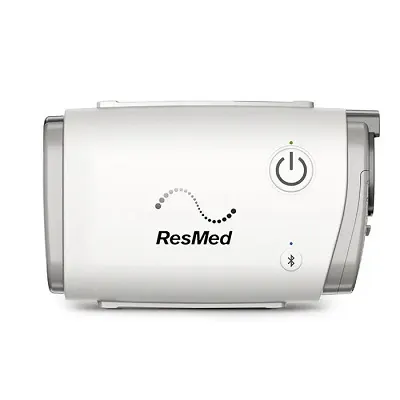
The first step is choosing the right machine. Features to consider include sound levels, ramp features, and Bluetooth compatibility for data collection and analysis.
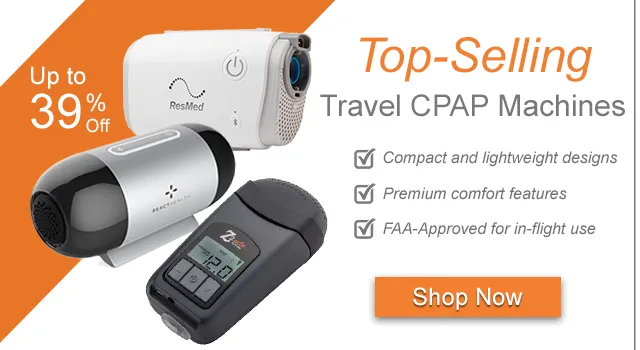
There are several types of machines. Standard CPAP machines deliver a fixed pressure throughout the night. Auto CPAP machines auto adjust the minimum pressure needed to keep the airway open. Travel CPAP machines are lightweight and compact, designed to deliver sleep therapy on-the-go. Finally, Bi-PAP machines deliver two separate pressures for inhalation and exhalation. Your physician will recommend the best type of machine and appropriate pressure settings for your needs. Auto CPAPs do not require a fixed pressure setting.
Selecting the right machine is vital to the long-term success of your CPAP therapy.
- Select a mask that best fits your lifestyle.
When beginning CPAP therapy, selecting the right mask can mean the difference between compliance and non-compliance. CPAP masks come in different types to provide comfort for a variety of users. Facial contact, a secure seal, and overall comfort are just some of the factors that make CPAP masks unique.
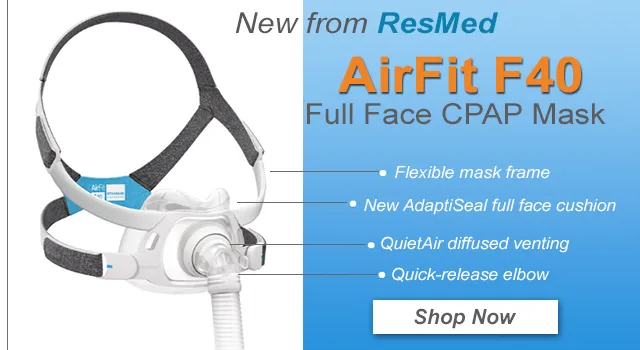
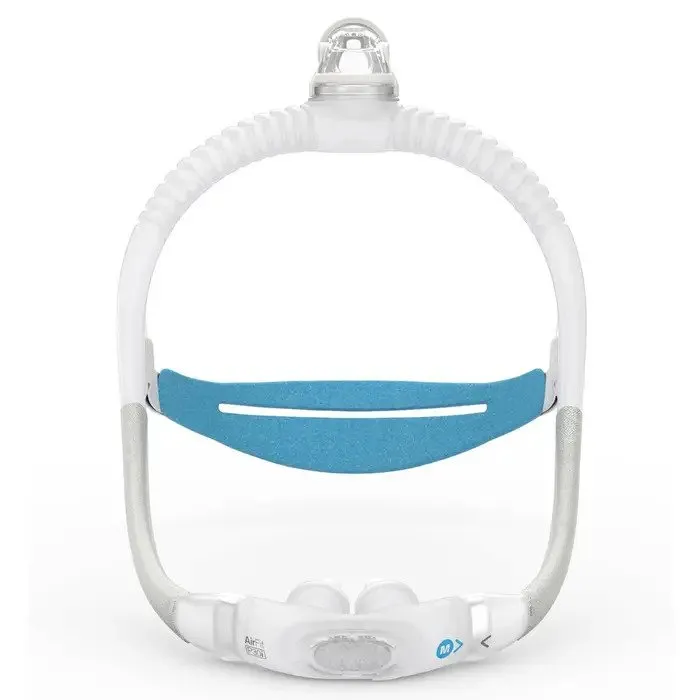
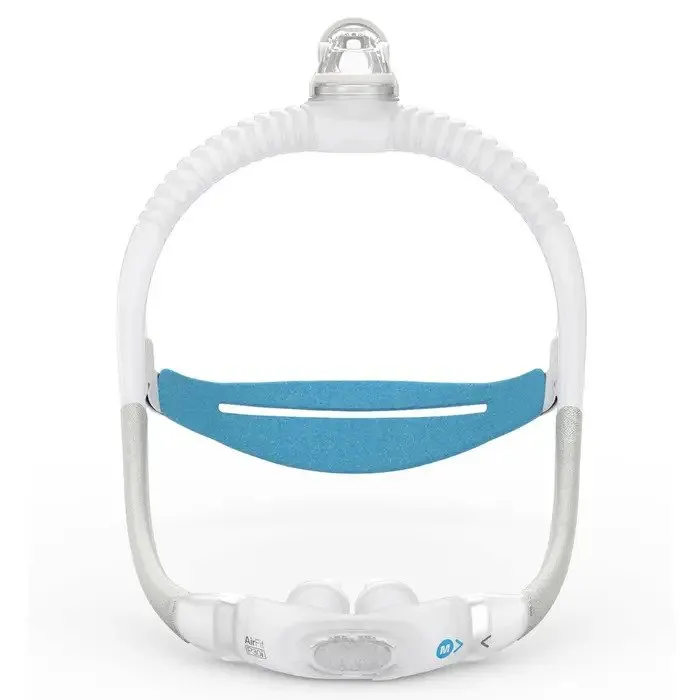
There are three types of CPAP masks. Full face masks cover both the mouth and nose and are most suited for side sleepers, mouth breathers, those with nasal congestion, or those with facial hair. Nasal masks are popular for their low-touch profile, open view, and wide range of fits and sizes. They provide good stability and can come in either gel or silicone cushions. Nasal pillows feature minimal design, are extremely lightweight, and a popular choice for CPAP users. In this style, nasal pillows are inserted directly into the nostrils.
- Add sleep coaching to assist.
The CPAP Shop offers customers the option to connect with a sleep coach when they first begin CPAP therapy. Sleep coaches can help set up equipment, make modifications if needed, troubleshoot leaks or help with mask fittings, and offer tips for a better night’s sleep. Data suggests that people who work with sleep coaches have better compliance rates and long-term success with CPAP therapy.
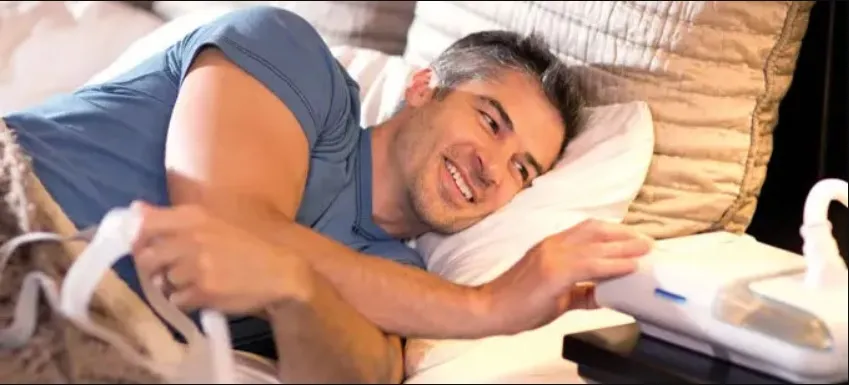
Renew Your CPAP Prescription at Home
Do you currently use a CPAP but need a prescription to buy a new machine? SimpleRx is a simple, hassle-free, and quick solution. Schedule a 15-minute telehealth consult with a board-certified sleep physician and get a new script sent to you. Same and next day appointments are available.
Become an Elite Member and Enjoy Perks
Earn $1 for every $40 spent, access member-only sales and discounts, compare products and create a wishlist, track your orders and check your order history, and more.