

How Long Does a CPAP Machine or Mask Last?
Even the most cared for CPAP machines and CPAP masks will require replacement at some point. Knowing when to replace them depends on a number of factors; some of which are functional while others are a matter of personal preference.
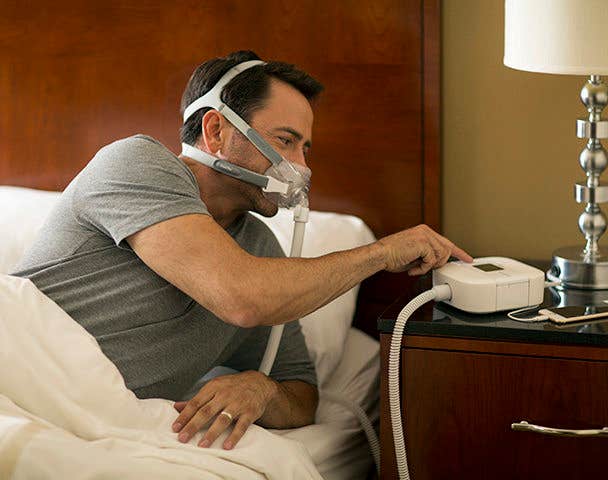
Your CPAP Machine Warranty
When it comes to CPAP machines, it’s best to keep in mind that the manufacturer’s warranty (most range between two and five years) is only one indicator of the effective life of the machine. The reality is that most equipment suppliers will tell you that the lifespan of a CPAP machine is around five years. Even still, a quality machine that is well maintained and cleaned can last as long as seven years or even a little longer.
When To Upgrade Your CPAP Machine
Ideally you shouldn’t wait until the machine gets to the end of its life to replace it as a miscalculation can mean a lapse in compliance. In recent years, a number of hardware and technological improvements have increased the lifespan of CPAP machines. Machines may also appear “old” because they do not have the latest comfort innovations such as heated humidifiers, and an improved user interface that simplifies operation on every level.
In addition, many new machines have Bluetooth connectivity letting you store sleep pattern data and even send it to your doctor. Apps like DreamMapper are available on new travel CPAP machines like the Philips Respironics DreamStation Go and can offer insight into sleep apnea and provide sleep therapy educational content.
Replacing Your CPAP Mask
When it comes to replacement times for your CPAP mask, the recommended time frames are no longer than a year for full replacement while replacement of the headgear should come at the six-month mark and cushion replacement every three to five months. The cushions have a shorter lifespan because they come in contact with the skin, which means a constant transfer of oils. Use this handy guide as a reminder for mask replacement.
| Accessories | Replacement Schedule |
| Full Face Mask | Every three months |
| Full Face Mask Cushion | Every two months |
| Nasal Mask | Every three months |
| Nasal Mask Cushion | Every two months |
| Nasal Pillows (Cannula-style interface) | Every two months |
| Headgear | Every six months |
| Air Filter (Disposable) | Every month |
| Air Filter (Non-Disposable) | Every three months |
It’s important to remember that improper cleaning will mean a shorter lifespan for the cushions. If you find that you are pulling the headgear tighter to compensate for the wear of the cushions, it’s not only time to replace the cushions, but you are also shortening the life of the headband. If your mask was comfortable, secure and easily adjustable without any leaks or being too tight when you bought and that has changed over ensuing months, it may be time to buy a new one.
When the time comes to replace your CPAP mask, it’s a good idea to consult with your equipment supplier to ensure that the mask definitely needs to be replaced and there are no remedies that you are overlooking. Discomfort, redness or even facial sores are all signs of problems with an aging mask. Facial sores are usually due to brittle headgear or cushions rather than a problem with the mask itself.
Upgrading to the Latest in CPAP Masks
Today’s CPAP mask is quieter, lighter, easier to clean, and has fewer parts than earlier models. In general, they have gone from having as many as 15 parts to as few as four. More pliable plastics mean more consistent wear and comfort while remaining durable.
The newer cushions are also nicer as they are designed for a better fit of the contours of the face and the nose to minimize the chance of leaks. Click here to find out how to address mask leak issues.
Once again, it’s best not to wait until the end of the life of your mask to replace it. People should remember that a second mask can be a good investment, especially if they also have a travel machine. Many times, it is also nice to have two sets of filters so one can be wet (after you clean it) and a dry one to immediately put back into the machine.
One tip for choosing a mask is to NOT size up. Don’t get a bigger mask (just in case) get the one that will fit your face that is the smallest.
Selecting New CPAP Machines and CPAP Masks
All of these tips regarding the life of your CPAP machine and CPAP mask are ways to make your therapy as effective and comfortable as possible. Review all your options for a new CPAP machine. Also review all the latest in CPAP masks. If you still have questions, feel free to contact our knowledgeable customer care team by phone or email!