


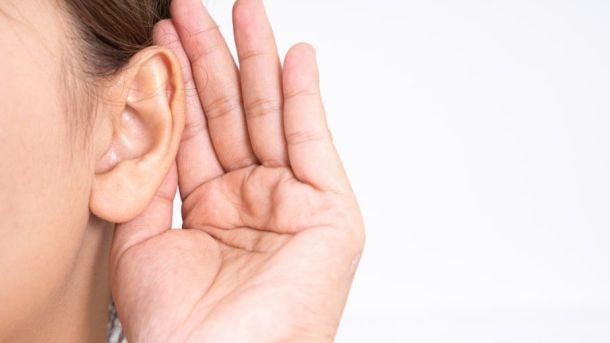
The Link Between Sleep Apnea and Hearing Loss

The Link Between Sleep Apnea and Hearing Loss

Key Takeaways

  • Untreated Obstructive Sleep Apnea causes intermittent hypoxia, which damages the tiny blood vessels supplying the highly sensitive inner ear (cochlea), leading to hearing loss.

  • Studies show a higher prevalence of Sensorineural Hearing Loss and low-to-high frequency impairment in patients with moderate-to-severe OSA.

  • Consistent CPAP therapy prevents the progression of hearing damage by stabilizing blood oxygen levels and reducing the vascular stress and chronic inflammation associated with OSA.

Due to its systemic and chronic nature, the potential list of possible sleep apnea side effects appears to be growing as a recent study shows evidence of a link between sleep apnea and hearing loss. The study found that sleep apnea was associated with hearing impairment at both high and low frequencies. That finding held true even after the researchers adjusted the data for other possible causes of hearing loss.

The study was based on 13,967 subjects from the Hispanic Community Health Study/Study of Latinos. Findings showed that sleep apnea was associated with a 31 percent increase in high frequency hearing impairment and a 90 percent increase in low frequency hearing impairment. Sleep apnea was also linked to a 38 percent increase in both high and low frequency hearing loss, which is the location range of most speech. The study abstract was recently published after presentation at the 2014 American Thoracic Society International Conference in San Diego, CA.

The results were garnered after all study participants undertook in-home sleep studies and audiometric (hearing) testing. With a makeup of around 53 percent women and average participant age of 41, about 10 percent of the study volunteers had sleep apnea while nearly 30 percent had some form of hearing impairment.

Study researchers speculate that sleep apnea side effects such as inflammation and abnormal blood vessel functions may be responsible. It is currently known that untreated sleep apnea can cause plaque buildup in blood vessels. Although researchers couldn’t speak directly to the impact of sleep apnea treatment, they did acknowledge the potential for lowered risk and possible improvement of hearing loss associated with sleep apnea.

The Hispanic Community Health Study was not the first large-scale ethnic study of its kind to be conducted that looked at hearing loss and sleep apnea. A recent study out of Taiwan also found that sleep apnea might be linked to sudden hearing-loss and deafness.

This 2012 study led by researchers at Taipei Medical University Hospital utilized Taiwanese health records to pinpoint some 3,200 patients out of the 1 million that had been treated for sudden deafness between 2000 and 2008. The researchers factored in elements of overall lifestyle and health that could be seen in both those associated with sudden hearing loss and sleep apnea. Their findings showed that men who exhibited sudden deafness were 48 percent more likely to be suffering from sleep apnea as well.

Like many emerging possibilities for sleep apnea side effects, hearing loss has yet to be rigorously studied in all types of populations, and specifically in smaller study groups. Researchers are already well aware of the nature of sleep apnea’s impact on blood oxygenation and its broad-ranging effects on the body’s circulatory system. With a mountain of evidence proving its association with countless underlying health conditions, very few people in the know will be surprised of future findings of a connection to hearing loss.

This post was updated with the latest information in December 2025.

Most people think of Sleep Apnea as strictly a respiratory and cardiovascular condition. However, a growing body of scientific research confirms a surprising connection: untreated Obstructive Sleep Apnea (OSA) is strongly linked to various forms of hearing loss.

This link moves the conversation about OSA beyond snoring and fatigue, positioning it as a systemic health crisis. Fortunately, CPAP therapy, the gold standard treatment for OSA, appears to offer a crucial protective effect against this often-overlooked consequence.

Here is an updated look at the mechanisms connecting sleep apnea and hearing damage, and why consistent CPAP use is essential for preserving your auditory health.

The Mechanisms of Auditory Damage

How does a breathing disorder impact your hearing? The answer lies in the nightly cycles of stress and oxygen deprivation that characterize untreated OSA.

1. Intermittent Hypoxia (Oxygen Starvation)

The primary culprit is intermittent hypoxia—the repeated drops in blood oxygen levels that occur every time you stop breathing.

  • Vascular Damage: The inner ear, specifically the cochlea, is one of the most highly vascularized organs in the body. It relies on a constant, steady supply of oxygenated blood. Chronic, repeated oxygen starvation damages the tiny blood vessels that supply the inner ear, leading to irreversible injury to the delicate hair cells responsible for hearing.

  • Neural Damage: Hypoxia can also damage the auditory nerve itself, impairing the transmission of sound signals to the brain.

2. Cardiovascular and Inflammatory Stress

Untreated OSA is a major cause of chronic systemic inflammation, hypertension, and endothelial dysfunction (damage to the lining of blood vessels). These factors collectively restrict blood flow and increase the likelihood of small vessel blockages, which severely compromise the inner ear’s function.

Types of Hearing Loss Linked to OSA

Studies have consistently shown that sleep apnea patients are at a statistically higher risk for developing hearing impairment compared to the general population.

Type of Hearing Loss Connection to Sleep Apnea
Sensorineural Hearing Loss (SNHL) The most common link. This permanent loss is caused by damage to the inner ear structures (cochlea) or nerve pathways, directly attributable to nightly oxygen deprivation.
Low- and High-Frequency Loss Research suggests OSA patients may experience more pronounced loss at both ends of the frequency spectrum, making it difficult to hear deep background sounds and high-pitched voices.
Tinnitus Though less studied, many OSA patients report an increase in constant ringing in the ears (tinnitus), which is often linked to vascular changes and stress.

Key Finding: Severity matters. Studies demonstrate that as the severity of Obstructive Sleep Apnea (measured by AHI) increases, the likelihood and degree of hearing impairment also increase.

The Protective Power of CPAP Therapy

The good news is that the treatment for OSA also appears to be the primary defense against this form of hearing damage.

Reversal and Prevention

CPAP therapy works by continuously keeping the airway open, eliminating the apneic events and, crucially, stopping the cycle of intermittent hypoxia.

  • Stabilized Oxygen Levels: By maintaining steady blood oxygen saturation ($SpO_2$) throughout the night, CPAP protects the delicate inner ear blood supply from nightly damage.

  • Reduced Inflammation: Consistent CPAP use reduces chronic systemic inflammation, which in turn improves overall cardiovascular and vascular health, benefiting the sensitive cochlea.

While CPAP may not reverse existing structural damage, long-term, compliant use is critical for preventing the progression of hearing loss caused by OSA. If you have been diagnosed with OSA and are experiencing hearing issues, it adds a powerful new reason to prioritize your CPAP compliance.

Recent posts

Share this Post


Chris Vasta

Chris Vasta is the president of The CPAP Shop and an expert in sleep and respiratory therapy. He often provides insights on product design and functionality on various manufacturers’ prototypes and is frequently tapped to provide reviews on new releases.