
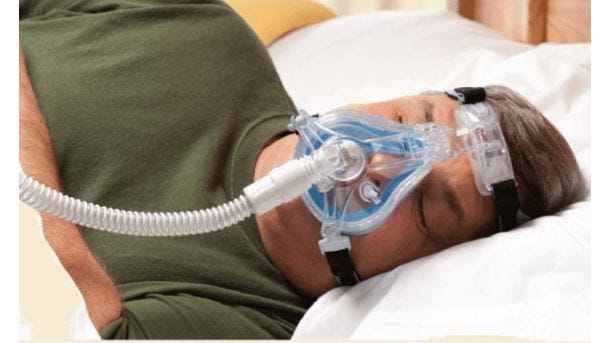
The 10 Keys to Success for CPAP Therapy
Key Takeaways
-
Ensure your mask is properly sized and only rests lightly on your face; over-tightening is the primary cause of leaks and discomfort.
-
Maximize compliance by enabling Ramp Time and EPR (Expiratory Pressure Relief), and correctly using heated humidification to prevent dryness.
-
Regularly check your machine's app to ensure your AHI is consistently below 5; if not, contact your doctor for a pressure adjustment to guarantee effective therapy.
For the majority of OSA patients, the first month of CPAP therapy is often the most difficult and results in high incidents of non-compliance with a significant percentage giving up all together. With so much at stake, it is imperative that every user of a sleep apnea machine be aware of as many ways as possible to ensure success with therapy.
Although there are numerous aspects to consider when it comes to successful CPAP therapy, let’s consider our top ten words to help motivate and encourage those newly diagnosed.
Commitment
Certainly the most crucial key to successful CPAP therapy is the user’s level of commitment. While the goal is to improve your sleep and quality of life, it often helps most OSA patients to think in terms of specifics. In particular, focus on what you will be sacrificing by not committing to CPAP therapy in the long-term, and the positives gained through commitment.
Every day that you are unable to stay alert or focused can bring you one day closer to losing your job, and depending on the type of job you do, even your life. It’s also important to focus on how better performance at work and home afford a more fulfilled lifestyle. It offers potentially more career advancement opportunities and more family time. A more fulfilled, healthier life will allow you to be there for your family and friends, and be free of depression and mood swings so you can enjoy them to the fullest.
Communication
Developing an open and ongoing level of communication with your family, physician, sleep therapy expert, and CPAP therapy equipment supplier is crucial to successful CPAP therapy. Keep in mind that they are there to help you in your particular situation. Take responsibility for your treatment, become knowledgeable about options, and ask as many questions as possible. No matter how small or seemingly insignificant, it is imperative to discuss options, scenarios, and ask questions so that you are prepared for the challenge of the initial days and weeks of CPAP therapy.
Consistency
In order to receive the maximum benefit from CPAP therapy, it is imperative to use the CPAP machine every night for the entire night, as well as during naps. This will allow you to adjust to the sleep apnea machine and CPAP mask much faster.
Correction
Choosing the right sleep apnea machine, mask, and hose among other CPAP supplies is a process that can take some time and diligent research. Dedicated CPAP equipment suppliers have sleep therapy specialists on staff, and understand that the first choice is not always the best choice for each individual. Consequently, they often provide opportunities to try different masks, and are available to help address any issues that arise during therapy. They are also there to help you learn to use the equipment correctly to maximize its effectiveness.
Comfort
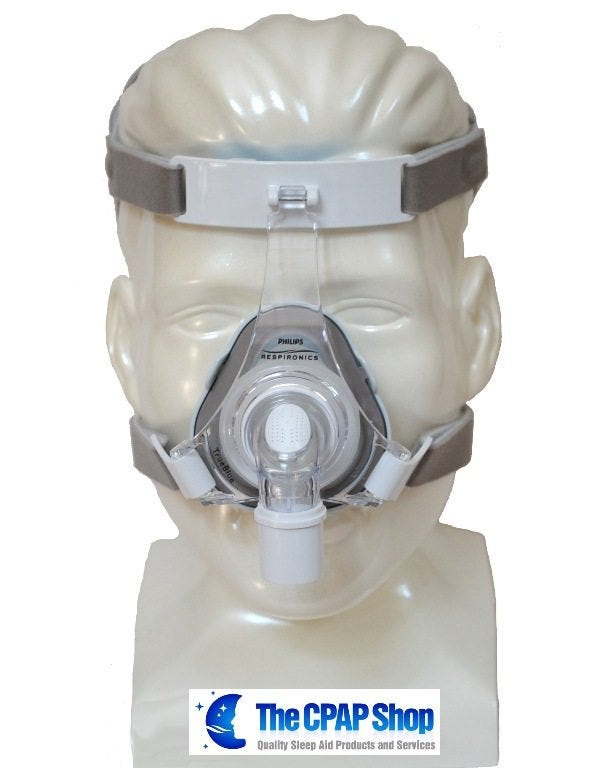
Finding a CPAP mask that is both comfortable and fits correctly will make the transition easier. An uncomfortable mask is one of the primary reasons why people give up CPAP therapy. There are many choices available. Choose a CPAP mask for your particular facial style and needs. There are also many products to deal with issues like dry throat and nasal passages, such as nasal sprays and decongestants to heated humidifiers.
Support
While many OSA patients can expect to get support from there family and friends, there is nothing like the understanding that comes from other OSA patients. That is why it is important to be proactive and get involved in one of the many active CPAP therapy support groups, or online user groups.
Challenge
Committing to use of your sleep apnea machine is a daily challenge in the first month and may become a recurring problem as you start to feel better and think it has become unnecessary. By having a family member, friend, or support group member check in with you each day to ask if you complied the night before, it can be easier to stay on track. Focus on how much better you feel the next day after you’ve receive therapy.
Maintenance
Every OSA patient that utilizes CPAP therapy should have a complete understanding of how to clean their mask, tubing, headgear, and filters. This is something that should be done on a regular basis on a set schedule so that it becomes part of your routine.
Reward
Because CPAP therapy is initially challenging, it can be a good idea to have a reward waiting for you at the end of the first month. Since every person is different, the choices of reward will vary. Just be sure that it is something that is not readily available to you all of the time and will not interfere with compliance.
Continuation
After your first month of treatment, continue to make a daily commitment to use your CPAP all night, every night and for every nap. Remember that your health and happiness depend on it.
For additional information on various topics concerning sleep apnea and CPAP products, please refer to our blog. It is constantly updated and offers free advice and information. If you’d like to learn more about the quality sleep apnea products we carry, or if you have additional questions, don’t hesitate to call us at (866) 414-9700, or you can contact us through our website. Contact Us
This post was updated with the latest information in December 2025.
Congratulations on starting CPAP therapy! You’ve taken the most important step toward better health, reduced cardiovascular risk, and restorative sleep. However, studies show that initial compliance is the biggest hurdle for new users. Success doesn't happen overnight—it requires commitment and preparation.
To help you seamlessly transition into nightly therapy, we’ve updated the 10 most crucial steps for achieving CPAP compliance and realizing the life-changing benefits of treatment. Think of this as your definitive checklist to master your therapy from day one.
Key #1: Priortize Mask Selection and Fit
The Problem: The wrong mask is the #1 reason for abandoning CPAP therapy due to leaks, discomfort, and skin irritation.
The Solution:
-
Try Before You Buy (If possible): Use virtual fitting tools or mask trial programs offered by suppliers. The correct mask style (Nasal Pillow, Nasal, or Full Face) is highly personalized.
-
A "Resting" Fit: Your mask should be snug enough to seal, but not overly tightened. Over-tightening causes leaks and painful pressure marks. It should rest lightly on your face.
Key #2: Master Your Machine's Comfort Settings
The Problem: Many users feel overwhelmed by the continuous pressure, leading them to quit before adjusting.
The Solution: Utilize modern machine comfort features:
-
Ramp Time: Allows the pressure to start low and gradually increase to your prescribed level after you fall asleep.
-
EPR (Expiratory Pressure Relief): Lowers the pressure slightly when you exhale, making breathing feel much more natural and less forced. Ask your doctor to ensure these features are enabled.
Key #3: Dial-in Humidification and Heat
The Problem: Dry nose, dry mouth, or condensation (rainout) makes therapy uncomfortable.
The Solution: The humidifier is your friend.
-
Use Heated Humidification: This is essential for preventing dryness. Adjust the heat level until your nose and mouth feel comfortable.
-
Consider a Heated Tube: Using a heated tube (available with most modern APAP machines) prevents the air from cooling before it reaches your mask, stopping "rainout" (water condensation in the tube).
Key #4: Stick to a Consistent Schedule
The Problem: Sporadic use prevents your body and mind from adapting to the sensation of CPAP.
The Solution: Wear your mask for short periods while reading or watching TV before you are ready to sleep. This desensitizes you to the feeling of air pressure. Make it a non-negotiable part of your nightly routine, even for short naps.
Key #5: Commit to Compliance (4 Hours Minimum)
The Problem: If you choose to purchase products through your insurance, they often require documented compliance to replace equipment, and health benefits depend on consistent use.
The Solution: Aim for at least 4 hours per night, every night. This is the minimum threshold required by Medicare and most insurers. The real goal, however, is to use it for the entire duration of your sleep for maximum health benefit.
Key #6: Actively Monitor Your Data
The Problem: You won't know if your CPAP is truly effective without looking at the data.
The Solution: Use your machine’s modem and app (like ResMed's MyAir or Philips Respironics DreamMapper) to monitor your nightly AHI (Apnea-Hypopnea Index).
-
Goal: Your goal is to consistently maintain an AHI score of less than 5 (ideally less than 2) on your machine.
-
Troubleshooting: If your AHI is high despite using the machine, contact your doctor immediately—you may need a pressure adjustment.
Key #7: Replace Supplies on Schedule
The Problem: Worn-out cushions, filters, and tubes lead to leaks, bacteria growth, and ineffective pressure delivery.
The Solution: Follow the recommended replacement schedule.
-
Cushions/Pillows: Every 2-4 weeks.
-
Filters: Every 2 weeks (disposable) or monthly (washable).
-
Tubing/Headgear: Every 3-6 months. Old, brittle parts are the leading cause of persistent leaks.
Key #8: Practice Daily Cleaning
The Problem: Oils and dead skin cells degrade the silicone mask cushion, compromising the seal and creating hygiene issues.
The Solution: Wipe down your mask cushion every single morning with a mild soap solution or approved CPAP wipe. Wash the headgear and hose weekly. This simple step preserves the seal and extends the life of your equipment.
Key #9: Be Proactive About Leaks
The Problem: Significant air leaks reduce the pressure inside the mask, rendering the therapy ineffective.
The Solution: Do not ignore leaks! Check your mask’s accompanying app or data screen for your nightly leak rate. If your leak rate is consistently high, try these fixes:
-
Loosen the headgear (counter-intuitive, but often helps).
-
Adjust the mask position.
-
Replace the cushion or pillow
Key #10: Maintain Open Communication
The Problem: Trying to solve complex pressure or compliance issues alone leads to frustration and quitting.
The Solution: View your doctor and CPAP supplier as partners. If you have severe dry mouth, persistent high AHI scores, or trouble tolerating the pressure, call them. They can remotely adjust settings on your APAP machine or help you select a different mask design.