
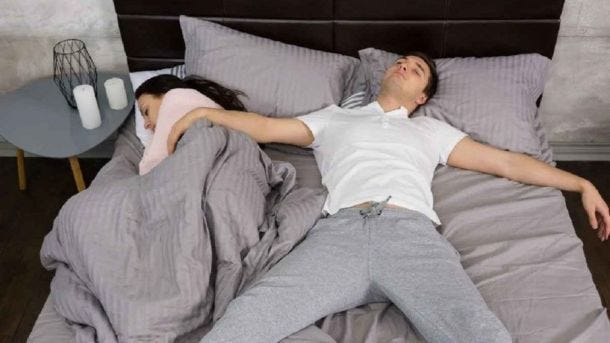
What Happens If You Don’t Use Your CPAP Machine?
There are many studies and articles about the positive benefits of using a CPAP machine to alleviate or eliminate the negative impact of sleep apnea. Much less is written about the implications of having sleep apnea and ignoring it or not using your CPAP machine.
Having sleep apnea can be a very serious condition. Unfortunately, studies show nearly 80% of the people who suffer from sleep apnea go undiagnosed. Many people just pass it off as being tired from daily living. Anyone who works, and also has to manage a household with children knows how easy it is to blame the stresses of life for this. However, there is significant evidence that sleep apnea can disrupt more than your sleep. As the study of sleep disorders and, in particular, sleep apnea expands, more conditions are being linked to the lack of or constant fragmentation of sleep.
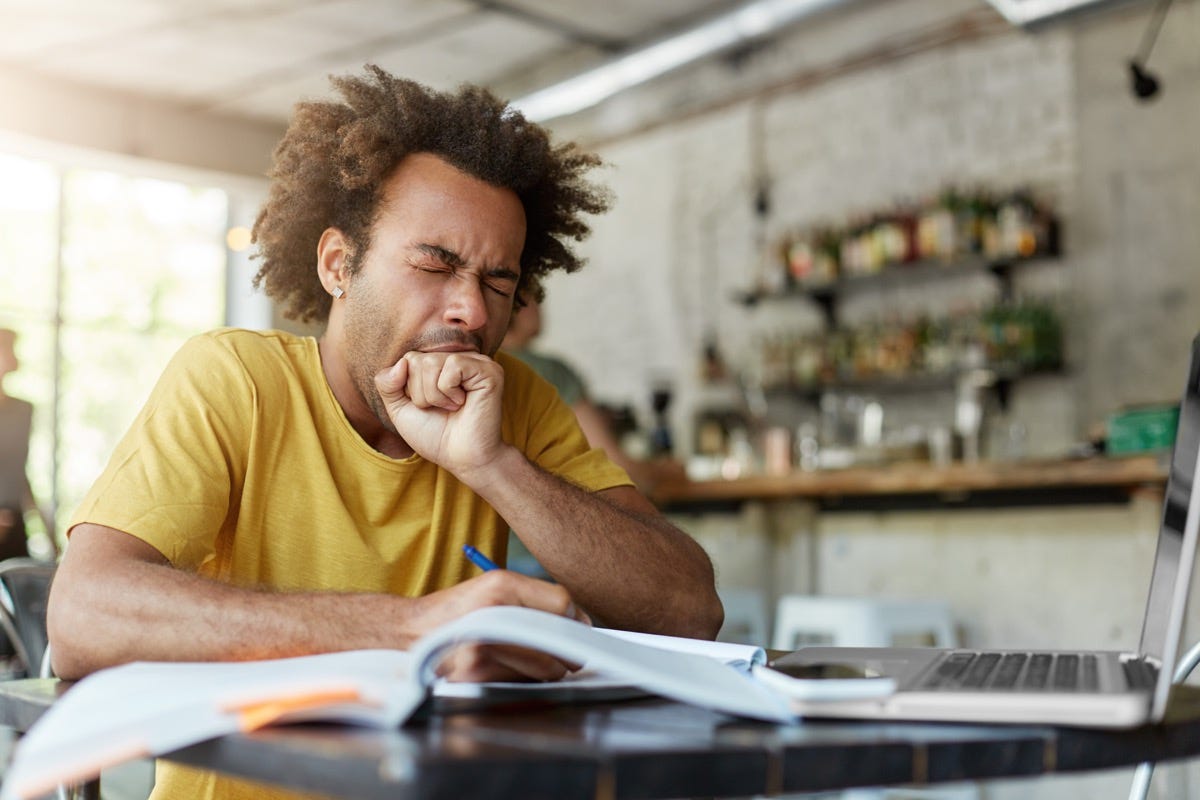
Health Risks Of Not Using A CPAP Machine
Sleep apnea is defined by pauses in breathing. Just the thought of not breathing while asleep should be concern enough. When a person stops breathing, oxygen levels in the blood falls and both blood pressure and heart rate rises. In essence, the brain is trying to tell the body to wake up. This cycle can happen hundreds of times a night. From mild to severe, people with sleep apnea are at risk for many medical conditions along with other daily living difficulties.
Daily Challenges Of Not Using A CPAP Machine
When a person has sleep apnea, there is a constant feeling of being tired. Waking up is difficult, falling asleep while driving occurs, lack of motivation, concentration and focus are problems at work. Agitation and irritation levels also rise. The lack of sleep impacts daily life in areas including family, work and friendships. Every task seems to be a challenge and depression tends to set in.
Obesity From Not Using A CPAP Machine
Which comes first, obesity or sleep apnea? Although the jury is still out on that question, there is a clear link between sleep apnea and obesity. The mechanics and traits of a person with sleep apnea certainly point towards being overweight. Snoring, large neck circumference, and a body mass index of over 30 are a few of the factors which contribute to sleep apnea. With about 65% of Americans now overweight or obese, the complications from sleep apnea are readily apparent. Motivation decreases, daytime tiredness increases and maintaining a proper weight becomes extremely difficult. Some doctors believe the best way to treat a weight problem is by treating the underlying sleep issue.
Diabetes From Not Using A CPAP Machine
Type 2 Diabetes is the most common form of diabetes. Millions of Americans now suffer from diabetes with many more people who may not know they have it. With Type 2 Diabetes, the body does not produce enough insulin which aids in helping the body process glucose for energy. When a person lacks insulin, glucose builds up in the cells and can have devastating results. Not treating diabetes can result in high blood pressure, eye, foot and skin conditions, kidney problems, mental health issues and even stoke. Up to 40% of people with sleep apnea also have diabetes.
High Blood Pressure From Not Using A CPAP Machine
In a study by Johns Hopkins in 2000, it found that people who suffer from moderate to severe sleep apnea were at increased risk for having hypertension. About 50-70% of people with sleep apnea have high blood pressure. As most know, high blood pressure increases the risk for heart attack, stroke, and other health problems. The studies of author Javier Nieto, MD, associate professor, Epidemiology, Johns Hopkins School of Public Health noted that “sleep apnea may be one of the reasons why overweight people are at increased risk for high blood pressure."
Effects on Heart From Not Using A CPAP Machine
The risk for cardiovascular disease increases due to several mechanisms. Sleep apnea can lead to activation of the sympathetic nervous system. This is responsible for the “fight-or-flight” response. Imagine the stress on your body that occurs when a lion is chasing you, this is the sympathetic nervous system at work. In addition, sleep apnea leads to problems with the lining of blood vessels, inflammation, and problems with metabolic regulation. All of these can cause problems with blood vessels and lead to major problems like a heart attack.
Stroke or Heart Failure From Not Using A CPAP Machine
According to the Canadian Best Practice Recommendations for Stroke Care, among the general population sleep apnea increases the likelihood of having a stroke. Additionally, sleep apnea is both a risk factor for a stroke and a serious complication after having a stroke. As per the same study, 60% of stroke patients experience sleep apnea. Furthermore, when apneic events occur, the decreased levels of oxygen can cause blood vessels in the lungs to constrict. This increases the blood pressure in these vessels, and over time can lead to heart failure.
Using a CPAP Machine
Undoubtedly, all of these ailments and illnesses can be and are life-threatening. Treating sleep apnea with a CPAP therapy which includes a CPAP machine and CPAP mask is an effective and non-invasive treatment for sleep apnea. Being compliant on CPAP can help eliminate many of these risks associated with sleep apnea.
The CPAP Shop enhances the lives of people with sleep apnea through information and high quality therapeutic products. If you have questions about CPAP Therapy please call (866) 414-9700, or you can contact us through our website at https://www.thecpapshop.com.