
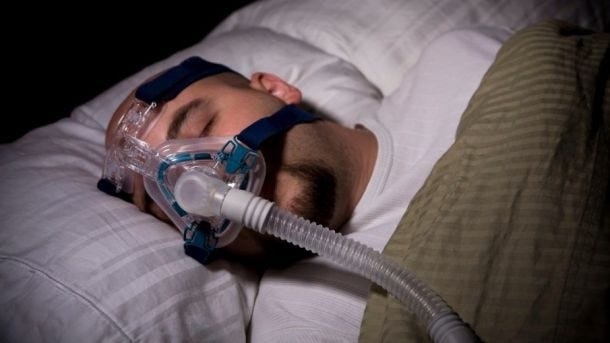
Stop Unconscious CPAP Mask Removal: 7 Expert Tips for Full-Night Compliance

Stop Unconscious CPAP Mask Removal: 7 Expert Tips for Full-Night Compliance

December 11, 2025 | |
Authored by

Key Takeaways

  • Constant removal of your mask is almost always triggered by a solvable problem like air leaks, pressure intolerance, nasal congestion, or mouth breathing.

  • Use modern machine features like EPR and Ramp Time to make breathing feel natural, and utilize heated humidification/tubing to eliminate dryness and rainout.

  • If leaks persist, try a minimalist mask; if you mouth breathe, use a chinstrap or switch to a full face mask for compliance.

There are a few issues that challenge many OSA patients in the early stages of CPAP therapy. One is waking to find that they have somehow removed their CPAP masks during the night. This is problematic for receiving the optimal health benefits of CPAP therapy. And, it may also cause compliance issues for those patients where insurance requires minimal compliance standard checks via data monitoring. This is an issue in the long term that can affect both health outcomes and compliance issues. However, there are a number of tips to stop this involuntary practice sooner rather than later.
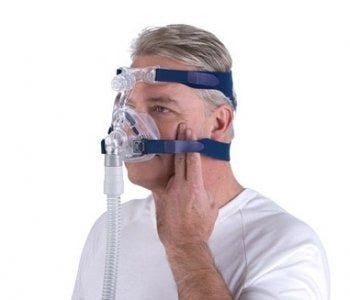
ResMed Mirage Activa LT
ResMed Mirage Activa LT at TheCPAPShop.com

Longtime CPAP mask users provide a number of tips, some of which are more radical than others. User suggestions have included wearing mittens to make it more difficult for your subconscious physical self to remove the mask. Other more mask-oriented fixes have run the gamut from adding tape to band-aids in strategic spots.

Still, others have utilized an extra strap to stabilize the mask while being sure it cannot slide and block the exhale vents or putting the CPAP mask chin strap over the mask as a preventive measure.

The challenge of nighttime CPAP mask removal can point to a fundamental problem of choosing the correct equipment. This includes CPAP masks, headgear, and chinstrap to fit your head size, shape and facial features. The proper sizing will aid in comfort and prevent air leaks during the night. Previous blogs here and here have explored this process. They also suggest involving The CPAP Shop experts in making the right choice.
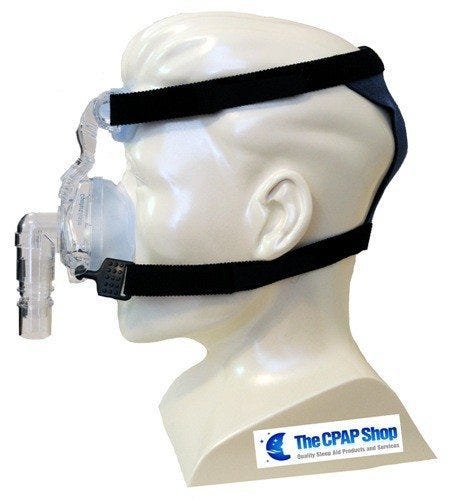
Respironics Comfort Fusion Nasal CPAP Mask
Respironics Comfort Fusion Nasal CPAP Mask at TheCPAPShop.com

The choice of the CPAP mask is critical with a wide variety of mask types available to suite each user. Some find that a full face mask is the best solution. However, others choose a nasal mask or a nasal pillow mask, which provide an unobstructed view. Some find that an oral mask will provide less restriction while still enabling a secure fit that is unlikely to be removed at night. Hybrids between full face masks and nasal masks can provide both broad and very specific remedies to a variety of CPAP mask challenges.

The whole concept of mask aversion can range from the natural adjustment time to wearing a mask on your face at night to more severe phobias that can last for much longer. In addition, users have made note of the possibility that air pressure is too low or humidity is too high as a reason for subconsciously removing their mask. Also, too little humidity, which can lead to dry nose and throat, can also be the source of the problem.
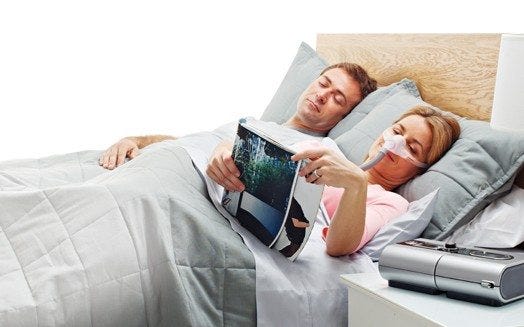
ResMed Swift FX Nano For Her Hybrid CPAP Mask
ResMed Swift FX Nano (for Her) hybrid mask at TheCPAPShop.com

Since this entire range of people can be dealing with nighttime CPAP mask removal, past blogs have discussed aversion therapy. More topics are sleeping position, use of humidification as well as air pressure “ramping” to combat these issues. Humidification in and of itself can be a somewhat multi-pronged issue. So, other blog posts have dealt with its effectiveness in improving compliance and comfort.

Compliance is the only way to ensure the improvements in health and increase in the quality of life that CPAP therapy can bring. That is why the many people that have experienced the benefits and the challenges that come with therapy have worked hand in hand with the experts to find the best solutions. Ultimately, working with the professionals at The CPAP Shop can provide the answers to virtually every issue that may arise in the beginning stages of using your CPAP mask as well as any that may manifest into long-term challenges.

However you decide to deal with CPAP therapy, we are always here to answer questions or address concerns about equipment. Get in touch directly at contact@thecpapshop.com or by calling 1-866-414-9700.

This post was updated in December 2025 with the latest information.

It’s one of the most frustrating experiences for a new CPAP user: waking up in the morning only to find your mask has been ripped off and flung across the room, leaving you tired and non-compliant.

This seemingly involuntary action, known as unconscious mask removal, is extremely common in the early stages of therapy. While it feels like an impulse, it is almost always triggered by a solvable underlying issue. Your subconscious mind is simply reacting to discomfort, pressure, or a physical sensation that disrupts your sleep.

The solution is not more radical measures, but smarter troubleshooting. By using modern machine data and comfort features, you can identify and eliminate the specific cause of your mask removal.

Here are seven expert-backed strategies to help you achieve full-night, unconscious-free CPAP compliance.

The Root Cause of Nighttime Mask Removal 

The desire to remove the mask usually stems from one of four core problems:

  1. Air Leaks: The sound or feel of a high-velocity air leak blowing into your eyes or across your face is highly disruptive and causes an involuntary reaction to fix the problem (by removing the mask).

  2. Pressure Intolerance: Feeling like you are "fighting" the air pressure, especially during exhalation, can cause a panicked sensation that forces removal.

  3. Physiological Discomfort: Nasal congestion, a dry mouth or throat, or rainout (condensation in the hose) all create discomfort your body tries to eliminate.

  4. Claustrophobia: For some, the initial feeling of restriction is overwhelming, especially when dropping into the first stage of sleep.

7 Expert Tips to Stop Unconscious Mask Removal

1. Check Your Data: Pinpoint the Trigger

The first step is data monitoring. Use your machine's app (like MyAir or DreamMapper) or look at your usage screen to look for patterns:

  • Check Leak Rate: If your leak rate is consistently high, your mask is the problem.

  • Check AHI: A high AHI (over 5) means the therapy is failing, and your body is still choking, prompting you to rip the mask off in frustration.

Action: If high leaks, move to Tip 3. If high AHI, call your doctor for a pressure check.

2. Optimize Machine Comfort Settings

Modern machines offer advanced features that dramatically improve tolerance to pressure:

  • EPR (Expiratory Pressure Relief): Ensures the machine lowers the pressure when you breathe out. This is critical for making breathing feel natural, not forced.

  • Ramp Time: Allows the pressure to start low and gradually increase to your prescribed setting only after you are asleep. Do not disable this feature.

  • Switch to APAP (Auto-CPAP): If you are on a fixed CPAP setting, switching to an APAP (which automatically adjusts pressure based on your needs) can prevent those uncomfortable pressure spikes that cause you to wake up and remove the mask.

3. Focus on a Minimalist Mask and Proper Fit

The old practice of overtightening the mask is wrong. A mask should rest lightly.

  • Don't Overtighten: If you have leaks, try loosening the straps first. Too much tension warps the seal and makes leaks worse.

  • Go Minimalist: If claustrophobia is the issue, switch to a nasal pillow mask (like the Resmed AirFit P10) or an under-the-nose cushion (like the F&P Evora) to eliminate contact points on the nasal bridge and forehead.

4. Eliminate Airway Dryness

Dryness is a major cause of waking up and pulling off the mask.

  • Heated Humidification: Always use the integrated heated humidifier. Adjust the setting until your nose and throat feel comfortable in the morning.

  • Heated Tubing: This prevents the air from cooling inside the hose, stopping condensation (rainout) that can lead to water sputtering or cold air that makes you remove the mask.

5. Address Unconscious Mouth Breathing

If you wake up with a dry mouth and the mask off, you are likely mouth breathing, which defeats the seal of a nasal mask.

  • Use a Chinstrap: A soft fabric chinstrap keeps the jaw closed and supports nasal breathing.

  • Switch to a Full Face Mask: If chinstraps don't work, a full face mask that covers both the nose and mouth provides a reliable solution for full-night sleep.

6. Practice Daytime Desensitization

For anxiety or claustrophobia, your brain needs to associate the mask with rest, not panic.

  • Aversion Therapy: Wear your mask for 30–60 minutes while you are awake (reading, watching TV) before bedtime. Turn the machine on. This helps your brain normalize the feeling of the mask and pressure.

7. Consult Your Doctor About Nasal Congestion

If you constantly have nasal congestion, the pressure will feel unbearable, forcing mask removal.

  • Nasal Hygiene: Talk to your physician about daily saline rinses or a prescription nasal spray to ensure your nasal passages are clear before using CPAP.

Where to Buy the Best CPAP Masks Online

The CPAP Shop has been a trusted retailer of the most popular CPAP masks and other equipment since 2004. We offer top-rated CPAP masks from brands like Resmed, Philips Respironics, Fisher & Paykel, and more to help our customers get the highest level of success with CPAP therapy. 

Need help choosing the best CPAP mask for you? The CPAP Shop has partnered with MaskFit AR to offer hassle-free, personalized shopping recommendations that will help you find the perfect CPAP mask to fit your needs. Simply answer some questions, scan your face, and we’ll help you find the right mask for you. Watch this video to learn how MaskFit AR works!

Recent posts

Share this Post


Chris Vasta

Chris Vasta is the president of The CPAP Shop and an expert in sleep and respiratory therapy. He often provides insights on product design and functionality on various manufacturers’ prototypes and is frequently tapped to provide reviews on new releases.