

2026 CPAP Battery Travel Guide: FAA & International Rules

2026 CPAP Battery Travel Guide: FAA & International Rules

January 15, 2026 | |
Authored by

If you plan to travel abroad, you may have questions about how to ensure the successful operation of your CPAP device. Of course, we always recommend traveling with your CPAP machine. It will not only keep you alert but will help ensure a fully restful journey. Based on customer questions, we’ve compiled a few answers to the most frequently asked questions regarding CPAP batteries and machine operation in and outside of the USA. With a little planning, you can be fully prepared to stick with your CPAP therapy even in a foreign country!
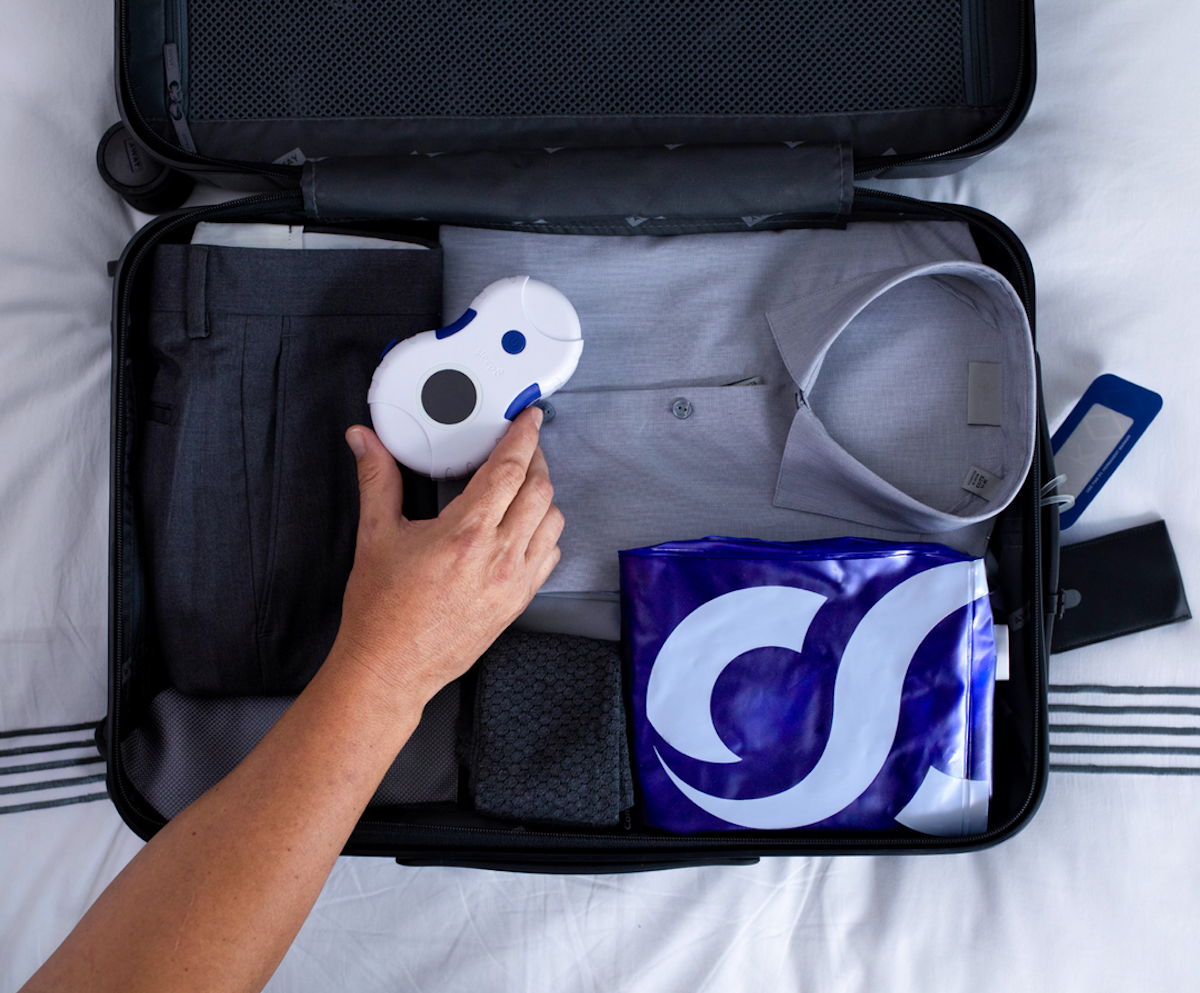
Packing the Sleep 8 in travel bag.

Can I Use my CPAP Batteries and Machine Overseas?

If you are not a frequent traveler, this question is very common. Not every country uses the same voltage or power outlet that we are familiar within the USA. As for the CPAP machine itself, all units can run between 110-240 VAC. The main issue is the plug adaptor which is based on the country you are visiting. You can easily find online how to determine the plug adapter you need. Also, with a universal adapter plug, you will typically be able to plug in your CPAP machine to any overseas outlet. A universal adapter comes with each of the international plugs used in various regions around the world, so you will always be able to find the right one that fits.
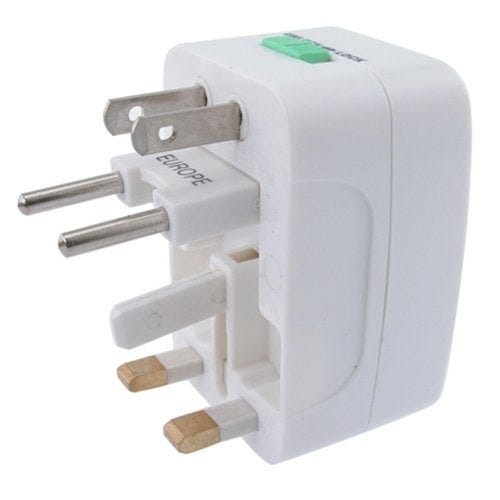
Travel worldwide with the univrsal CPAP adaptor plug

What CPAP Batteries Will Work with my CPAP Machine?

Many CPAP manufacturers offer a battery pack that is compatible with their CPAP devices. If you’re a traveler, you might already use either a ResMed AirMini or a Respironics DreamStation Go while traveling. The DreamStation Go has its own small, lightweight integrated battery that is easy to pack and transport.
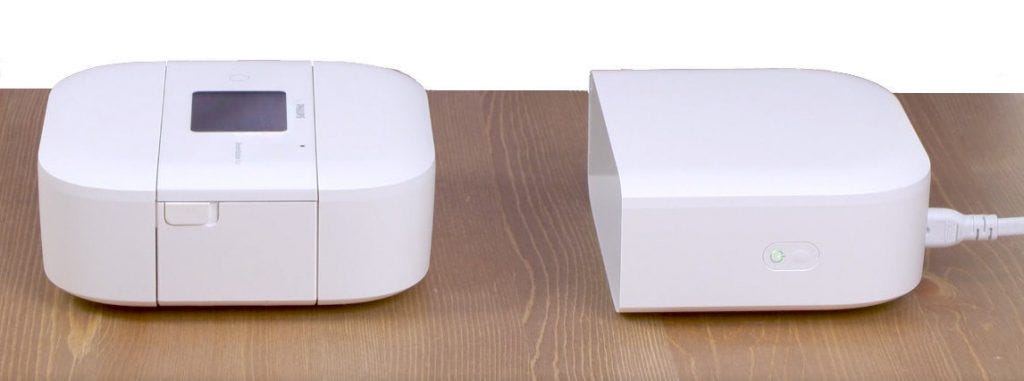
Dreamstation go travel battery

Moreover, each of these travel units can be powered by the Medistrom Battery throughout the night if you lack either a reliable power source. Standard ResMed CPAP machines such as the AirSense 10 line can be powered using the ResMed Power Station II Battery Kit. This is a lithium-ion battery capable of providing power to your CPAP machine while you sleep. Similarly, Philips Respironics devices, such as the DreamStation Auto CPAP machine, are compatible with the Philips Respironics Travel Battery Kit.
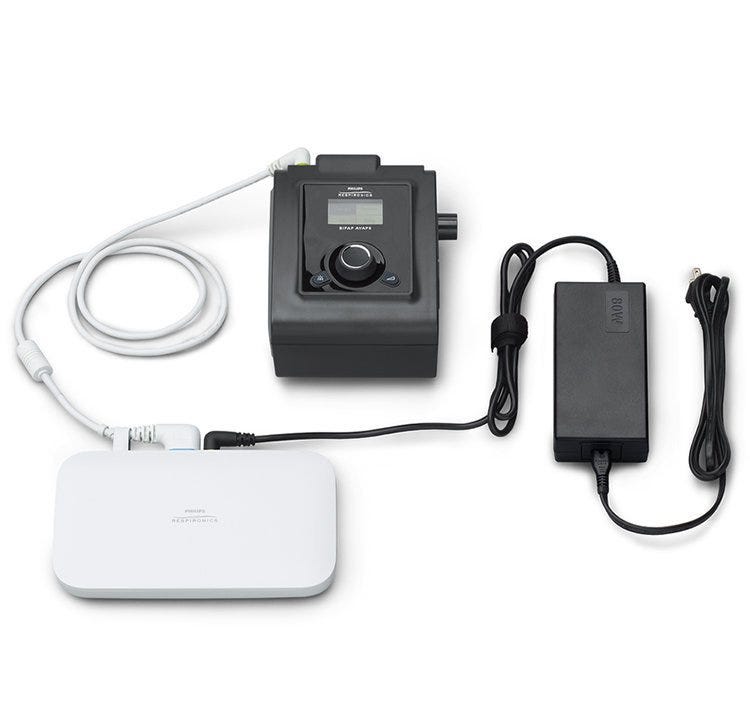
CPAP batteries by Respironics

Can I Recharge my CPAP Batteries with My Car?

Your vehicle will be able to charge your CPAP battery so long as your battery connects to a DC power cable that can then plug into your car’s cigarette lighter socket. However, your car will have to be running in order for the CPAP battery to properly charge.  You can find a CPAP battery car charger here.

Can I Run My CPAP Machine from My Car Battery?

Similarly, you can typically power your CPAP machine from your car battery with a DC power cable that connects to the cigarette lighter socket. Your vehicle must also be running to power your CPAP machine. The CPAP Shop offers a number of DC power cables and converters for both batteries and CPAP machines. Look for them on our accessories page.

Are There Ways to Preserve CPAP Batteries for Longer Life?

If you happen to be in a remote location and need to stretch the life of your battery, there are a couple of tricks you can do to avoid rapidly draining your battery. Using a humidifier requires additional power, thus will drain the battery faster than operating a machine without it. If you know you might be without a reliable power source for a couple of days, it might be advisable to have two batteries in order to have a backup if necessary. Also, the battery can be charged by any power source such as a car or motorcycle battery.

Chris Vasta is the president of The CPAP Shop and an expert in sleep and respiratory therapy. He often provides insights on product design and functionality on various manufacturers’ prototypes.

This post was updated with the latest information in January 2026.

In 2026, traveling with a CPAP machine is easier than ever, but traveling with the lithium-ion batteries that power them requires careful planning. With updated FAA safety protocols and stricter international enforcement, knowing the "rules of the road" is the difference between a smooth flight and having your expensive battery confiscated at the gate.

Batteries are Carry-on Only

Under no circumstances can a spare CPAP battery be placed in checked luggage. In 2026, the FAA and international civil aviation authorities (ICAO) have tightened these rules due to the risk of "thermal runaway" (battery fires).

  • Why? If a battery malfunctions in the cabin, the crew is trained to extinguish it. If it happens in the cargo hold, it can be catastrophic.

  • The Check-In Exception: While the machine itself can be checked, the battery must be removed and kept with you in the cabin.

The 100Wh vs. 160Wh Threshold

Not all batteries are created equal in the eyes of the law. As of 2026, the FAA uses Watt-hours (Wh) to determine eligibility:

  • Under 100 Wh: Most standard CPAP batteries (like the Medistrom Pilot-24 Lite) fall under this limit. You can carry an unlimited number of these for personal use.

  • 101–160 Wh: These are "Large Lithium Ion" batteries. Most airlines allow up to two of these per passenger, but many now require prior airline approval.

  • Over 160 Wh: These are strictly prohibited on passenger aircraft.

Traveling Internationally in 2026

Crossing borders adds a layer of complexity. While the TSA is familiar with CPAP equipment, international security in Europe, Asia, and Australia may have different "Medical Device" exemptions.

  • The 150% Rule: Many international carriers (like Virgin Atlantic and Lufthansa) require you to have enough battery power for 150% of your flight time if you plan to use the machine in-flight. For an 8-hour flight, you need 12 hours of battery life.

  • The 30% Charge Rule: As of January 1, 2026, new IATA regulations require batteries "packed with equipment" to be shipped/transported at a State of Charge (SoC) not exceeding 30%. While this primarily affects retailers, some airlines may ask you to ensure your spare batteries aren't at 100% capacity for safety during long-haul transits.

  • Plug Adapters: Remember, even if you have a battery, you’ll need a plug adapter to recharge it at your hotel. Most CPAP batteries are dual-voltage (100V-240V), but the physical plug shape changes by country.

Pro Tips for the Security Line

Label Everything

Use a "Medical Equipment" luggage tag. It signals to TSA that your bag contains sensitive gear.

Use Clear Bags

Place your battery in a clear plastic bag. It keeps it clean and makes the X-ray technician's job easier.

Tape the Terminals

To prevent short circuits, cover the battery's metal contact points with a small piece of electrical tape.

Have Quick Access to Your Documentation

Keep a digital or physical copy of your CPAP Prescription and your Manufacturer’s FAA Compliance Letter in the outside pocket of your CPAP bag. While rarely asked for by TSA agents (who see hundreds of machines a day), they are invaluable if a gate agent or international security officer questions your equipment.

Empty Your Humidifier Tank

Never travel with water in your humidifier chamber. Even a small amount of residual water can leak into the machine's internal motor during the turbulence of the X-ray belt, potentially voiding your warranty or causing a short circuit.

Where to Buy the Best CPAP Products on the Market

The CPAP Shop has been a trusted retailer of CPAP products since 2004. We offer the top-rated CPAP machines, masks, supplies and more on the market so CPAP therapy users can get the most options and best treatment possible. For assistance purchasing items or to learn more about any of our products, give our expert staff a call at 866-414-9700.

Leaving for a trip and want to learn more about traveling with CPAP? Read this comprehensive guide to using CPAP therapy while traveling. 

Recent posts

Share this Post


Chris Vasta

Chris Vasta is the president of The CPAP Shop and an expert in sleep and respiratory therapy. He often provides insights on product design and functionality on various manufacturers’ prototypes and is frequently tapped to provide reviews on new releases.