
Why Auto-CPAP (APAP) is the Best Machine for New Users: A Comfort Guide
Key Takeaways
-
Auto-CPAP (APAP) machines eliminate fixed-pressure discomfort by adjusting the air delivery breath-by-breath based on your immediate needs.
-
APAP users typically receive a significantly lower average pressure throughout the night, reducing side effects like aerophagia and dryness.
-
Machines like the AirSense 11 are now the most recommended devices for new users due to their superior comfort technology and compliance reporting features.
APAP Automatically Adjusts
One of the primary complaints among CPAP users and a reason why compliance occasionally falters after a brief initial period of CPAP use is intolerance to constant positive air pressure supplied by a standard CPAP machine. CPAP therapy is built on the principle of supplying air flow to maintain the integrity of the air passages during sleep. With a low pressure, this is not much of a nuisance and quite tolerable. However, at higher pressures, to some the constant stream of pressurized air can become more uncomfortable and intolerable. An automatically adjusting CPAP machine or APAP is one possible solution to this dilemma.
Although a CPAP machine has been proven to be the most effective and popular treatment in the sleep apnea battle, some CPAP machines tend to end up under the bed or in a closet gathering dust. For various reasons, people, although having been diagnosed with sleep apnea, decide that they cannot tolerate a CPAP machine. This is understandable since the idea of a constant stream of air keeping your throat open even when you're not asleep is uncomfortable to many.
Standard vs. Automatic CPAP Machines
Prior to the release of APAPs, the only option available for treating sleep apnea was a standard CPAP machine. CPAP machines have treated millions of people successfully over the course of many years. But, as you may understand, a standard CPAP machine pushes a constant flow of pressurize air into a mask in order to keep the airway open during an apnea event. However, as the pressure increases, so too does the level of discomfort from the use of standard CPAP machines. The discomfort is generally caused from dryness in the nasal passages due to the constant pressure, inability to tolerate high pressures or too much air coming through at times during the sleep cycle. Considering the typical sleep apnea sufferer seldom has the exact same pressure needs during each breath throughout the sleep cycle, it is understandable why a standard CPAP machine might not be optimal for some. In fact, a person's pressure can change if they are sleeping on their side as opposed to their back, if they have gained or lost weight, and even if they had a few cocktails prior to bed.
It is true that some standard CPAP machines have added features such as Philips Respironics' C-Flex and ResMed's EPR to help reduce the pressure during non-apnea sleep. These features offer some relief by ramping slightly up or down to make CPAP therapy feel more natural. C-Flex and EPR work well but are quite limited in their ability to significantly reduce the standard pressure. Nevertheless, at high pressures, the level of discomfort can still be quite significant enough to stop CPAP therapy.
The design and technology behind an automatically adjusting CPAP machine make perfect sense. Why not give a person with sleep apnea the least amount of pressurized air needed to maintain air passage integrity at every given moment? Sometimes CPAP users will need less pressure and other times they will require a more. Since the air passages of a person with sleep apnea is not in a constant state of being closed, a CPAP machine which can automatically adjust to the needs of the individual on a breath by breath basis has plenty of merit.
An APAP machine does just that; it provides just enough air to keep the windpipe open on a breath by breath basis, increasing or decreasing depending upon the needs of the user. If a CPAP user is sleeping on their side without an apnea event, the pressure is automatically reduced to make it comfortable to sleep. If that person flips to their back and has an apnea event, the APAP automatically adjusts up with just enough pressure increase to keep the windpipe open. Once over, it will re-adjust down to appropriate levels. Obviously, the goal is to make it unnoticeable with a completely natural feeling in order to maintain quality sleep.
APAPs have undoubtedly been doing exactly what they were designed to do; making CPAP therapy more comfortable and tolerable which increases compliance and quality of sleep. For this reason, most people new to CPAP therapy or who are buying a new CPAP machine most often choose an automatically adjusting machine. Not only is the slightly higher price worth it in the long run, the quality of sleep increases.
Best Auto CPAP Machines - ResMed's S9 Autoset and Philips Respironics PR System One Auto
Both ResMed and Philips Respironics have advanced their CPAP platforms to include some high quality APAP machines.
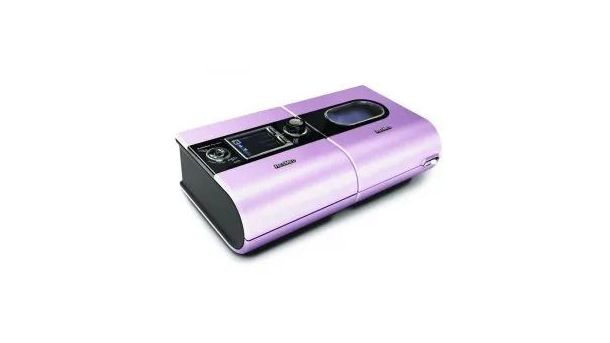
The ResMed S9 Autoset has proven to be a big hit amongst CPAP users. Technologically, it offers many features such as a highly sensitive algorithm, heated tubing, ultra quiet motor, and advance data management that will satisfy even the most discriminating CPAP user. The S9's modern design also gives the APAP machine a stylish and modern look.

The Philips Respironics PR System One Auto has also proven to be extremely popular among APAP buyers. Although the design is less stylish, the PR System One succeeds on technology. This enhanced APAP has an advanced event detection and response system that can detect symptoms outside of typical obstructive sleep apnea. Moreover, the "flex" technology enhances therapy beyond typical APAP adjustments, while the CPAP mask fit and seal monitoring checks the seal of the mask in real time. Overall, the Philips Respironics PR System One Auto will meet the needs of nearly every CPAP user.
This post was updated with the latest information in November 2025.
If you are new to sleep therapy or currently struggling with a fixed-pressure CPAP machine, you may have experienced the feeling of fighting a constant rush of air. Intolerance to fixed pressure is the leading reason people abandon their CPAP therapy.
The good news is that for most patients today, the standard choice isn't a fixed-pressure CPAP, but an Auto-CPAP (APAP) machine.
APAP technology is designed to solve the primary complaint of new users: unnecessary high pressure. Instead of delivering one fixed setting all night, an APAP machine constantly monitors your breathing and adjusts the air pressure automatically, breath by breath, ensuring you receive only the minimum pressure required to keep your airway open.
Here is why Auto-CPAP is now the recommended standard for nearly every CPAP user.
APAP Solves the Fixed-Pressure Problem
The core issue with a fixed-pressure CPAP is that your required pressure is not constant. Your pressure needs change constantly throughout the night based on several factors:
| Pressure Varies By... | Effect on Pressure Needs |
| Sleep Position | You require less pressure sleeping on your side than on your back. |
| Sleep Stage | Pressure needs often decrease in deep sleep but spike during REM sleep. |
| Alcohol/Medication | Consumption of depressants can increase apnea severity and pressure needs. |
| Weight Fluctuation | Weight gain or loss directly affects the pressure required to maintain an open airway. |
A fixed CPAP machine must use your highest recorded pressure setting all night, even if you only need that pressure for 10 minutes. The APAP machine, by contrast, automatically responds in real-time.
The APAP Advantage: Comfort and Efficiency
An APAP machine delivers only the pressure needed to suppress apneas or snoring at that exact moment. This results in:
-
Lower Average Pressure: Most users find they only use their highest prescribed pressure for a small fraction of the night, leading to a much more comfortable overall experience.
-
Reduced Side Effects: Lower pressure minimizes the likelihood of common complaints like aerophagia (swallowing air) and dry nasal passages.
-
Automatic Adjustment: If you gain or lose weight, or catch a cold, the machine adjusts automatically, eliminating the need for a follow-up sleep study just to change a pressure setting.
Key Features of Modern Auto-CPAP Machines
Modern APAP machines are often indistinguishable from their fixed-pressure counterparts, except for their smart algorithms and enhanced data collection.
Resmed AirSense 11 AutoSet
The industry leader, the AirSense 11, automatically adjusts pressure within a set range and includes the proprietary EPR (Expiratory Pressure Relief) technology. EPR works in tandem with the auto-adjusting pressure to further soften the airflow when you exhale, providing an unparalleled sense of natural breathing. The integrated cellular modem ensures easy data reporting to your provider.
Resmed AirSense 10 AutoSet
The Resmed AirSense 10 AutoSet is the definitive, industry-leading Auto-CPAP machine, renowned for seamlessly blending quiet operation with personalized therapy. This intelligent device automatically adjusts your pressure settings throughout the night, ensuring you receive the minimum effective pressure needed to keep your airway open—no more fighting a fixed, high pressure. This leads to significantly improved comfort and compliance.
Conclusion: The New Standard of Care
If your doctor offers you a choice between a fixed-pressure CPAP and an Auto-CPAP, the APAP is almost always the best recommendation for comfort, compliance, and convenience. By only delivering the pressure you need, APAP eliminates the primary barrier to successful sleep therapy and ensures you are receiving the most effective treatment possible, every single night.
Ready to upgrade your comfort? Shop All Auto-CPAP (APAP) Machines here.


