

Pulmonary

Pulmonary Rehabilitation for Sleep Apnea

January 15, 2026 | |
Authored by

Key Takeaways

  • If you have Overlap Syndrome (COPD + OSA), adding pulmonary rehab to your CPAP therapy can significantly improve your nocturnal oxygen levels and physical endurance compared to using CPAP alone.

  • Specialized exercises in PR strengthen the diaphragm and chest muscles, reducing the "air hunger" sensation that many patients experience when first starting CPAP.

  • In 2026, telerehabilitation (virtual PR) is a widely approved and effective option, making it easier to receive specialized lung therapy without traveling to a hospital multiple times a week.

Sometimes CPAP therapy is not enough and sleep doctors prescribe a more personalized treatment. When a person cannot change their habits enough to make CPAP alone work for them every night, all night, there are still possibilities such as surgery, implants that stimulate the muscles, and oral appliances.  For patients that want to supplement their CPAP therapy, with breathing exercises read on. This article describes how Pulmonary Rehabilitation - PR for Obstructive Sleep Apnea can be very beneficial.

Researching PR for Obstructive Sleep Apnea

During the 2015 American Thoracic Society International Conference, Dr. Katerina Neumannova, MSc, PhD at Palacky University in the Czech Republic, presented the recent study of Pulmonary Rehabilitation (PR) treatment for patients who suffer from Obstructive Sleep Apnea (OSA). In their study, they discovered that PR treatment could be beneficial for patients with OSA syndrome, when used in conjunction with comprehensive therapy. The study, conducted on 40 newly diagnosed patients with OSA, tested the impact PR therapy had on their apnea/hypopnea index (AHI), body mass index (BMI), pulmonary function and certain body circumferences.

The patients were randomized into two groups, one that would receive only CPAP therapy, while the other would receive both CPAP therapy as well as PR therapy, for a total of 6 weeks. These patients had two sessions of Pulmonary Rehabilitation therapy per week for 60 minutes, during the time of the testing. In these sessions, patients had respiratory muscle training, exercise training, oropharayngeal exercises and breathing retraining.

Study Results of Using PR for Obstructive Sleep Apnea

The final results from the samples showed decreases in severity of Obstructive Sleep Apnea in both groups, as well as a decrease in their overall body fat. However, the group that receive PR therapy, in addition to CPAP therapy, showed decreases in the neck, waist and hip circumferences of BMI and an improvement in pulmonary function. Overall, patients with OSA could benefits from partaking in PR therapy.

What is PR for Obstructive Sleep Apnea?

But what exactly is pulmonary rehabilitation and how can it benefit OSA patients? Pulmonary rehab is program that encompasses many different practices aimed to help improve the well being of people who suffer from chronic breathing problems. These practices include nutritional counseling, energy-conserving techniques, exercise training and breathing strategies. The breathing strategies taught during PR therapy teach patients how to intake the proper amount of air necessary, without having to work so hard to breathe. For patients who suffer from OSA, training their bodies in these breathing techniques will provide them will deep healthy breaths. In turn, inhaling and exhaling, as shown in the recent study, can have a positive effect on their overall quality of life.
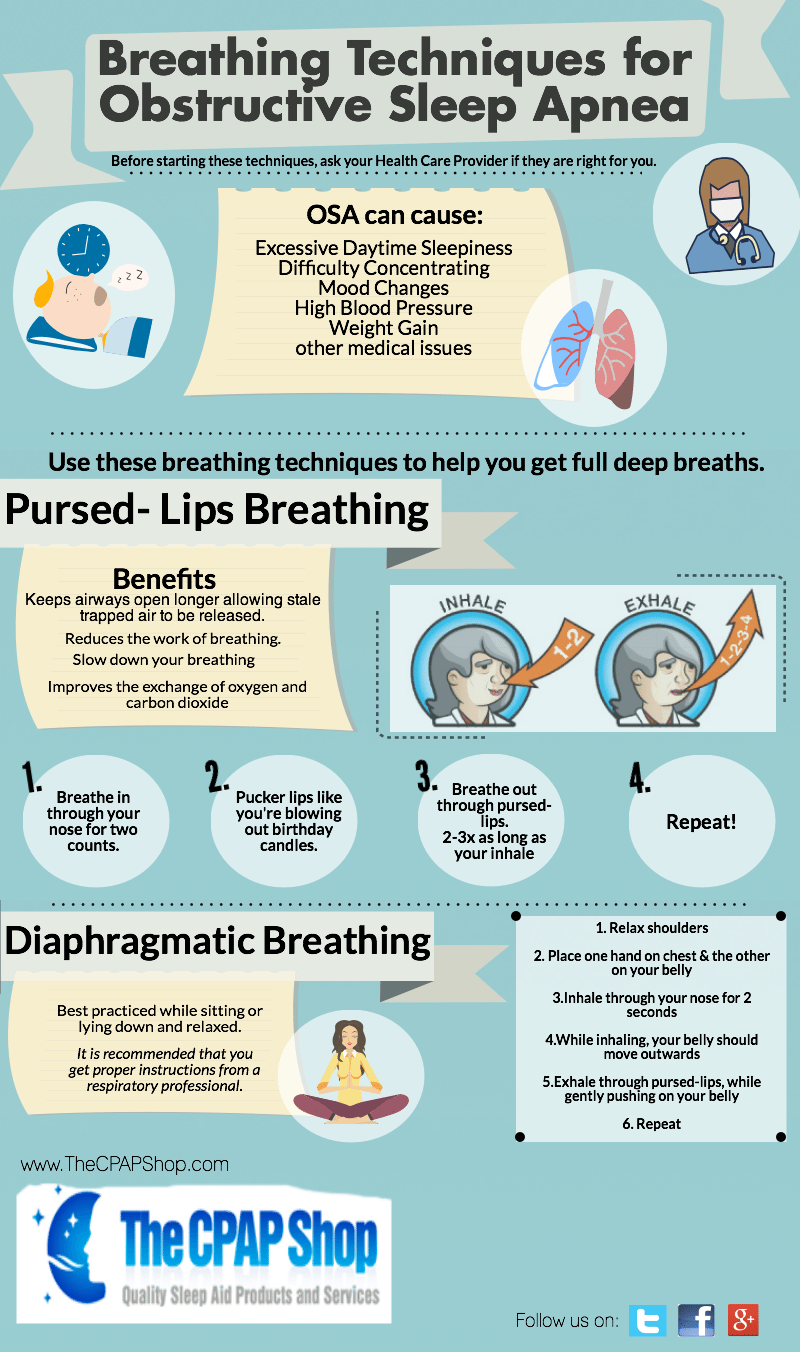
PR for Obstructive Sleep Apnea

Chris Vasta is the president of The CPAP Shop and an expert in sleep and respiratory therapy. He often provides insights on product design and functionality on various manufacturers’ prototypes and is frequently tapped to provide reviews on new releases.

This post was updated with the latest information in January 2026.

For decades, CPAP therapy has been the gold standard for Obstructive Sleep Apnea (OSA). But what if your lungs need more than just air pressure? In 2026, a growing body of evidence—including a "Strong Recommendation" from the American Thoracic Society—suggests that Pulmonary Rehabilitation (PR) is a game-changer for patients with complex respiratory needs.

Whether you have been diagnosed with "Overlap Syndrome" (the combination of COPD and OSA) or you simply want to strengthen your breathing muscles, here is how pulmonary rehab is redefining sleep health this year.

What is Pulmonary Rehabilitation?

Pulmonary Rehabilitation is a physician-supervised, multidisciplinary program designed for people with chronic breathing problems. In 2026, these programs have moved beyond the hospital, with telerehabilitation (home-based PR) now being recognized as just as effective as in-person sessions.

A typical program includes:

  • Exercise Training: Low-impact aerobic and resistance training.

  • Nutritional Counseling: Managing BMI to reduce pressure on the diaphragm.

  • Breathing Retraining: Techniques like "pursed-lip breathing" to improve lung emptying.

  • Education: Learning how to manage "flares" and optimize oxygen usage.

Overlap Syndrome (COPD + OSA)

Recent studies published in the Journal of Rehabilitation Medicine (2025/2026) have highlighted a breakthrough: patients who have both COPD and Sleep Apnea see significantly better outcomes when they combine CPAP with Pulmonary Rehab.

Why it works:

  1. Reduced Inflammation: Moderate-intensity aerobic exercise reduces the systemic inflammation (IL-6 and CRP levels) that makes both COPD and OSA worse.

  2. Increased "Oxygen Reserve": PR improves your "6-minute walk distance" (functional capacity), which directly correlates to more stable blood oxygen levels while you sleep.

  3. Diaphragm Strength: By strengthening the respiratory muscles, you are less likely to experience the "shallow breathing" (hypoventilation) that causes morning headaches.

The Benefits: More than Just "Better Breathing"

If you are struggling with CPAP compliance because you feel "out of breath" or weak, PR can help bridge the gap. 2026 research shows that patients in PR programs are more likely to stick to their CPAP therapy because their overall respiratory endurance has improved.

Key Clinical Benefits Found in 2026:

  • Improved Body Composition: Significant reduction in neck and waist circumference, which are primary drivers of airway collapse.

  • Nocturnal Oxygen Stability: A higher "lowest nocturnal oxygen saturation" (L-SpO2), reducing the strain on your heart.

  • Mental Health Boost: A measurable reduction in the anxiety and depression often associated with chronic breathlessness.

Is Pulmonary Rehab Right for You?

In 2026, PR is no longer reserved for those in the late stages of lung disease. You may be a candidate if:

  • You have been diagnosed with both COPD (or asthma) and Sleep Apnea.

  • You experience persistent shortness of breath despite using your CPAP.

  • You have a high BMI that is making breathing difficult during the day and night.

Recent posts

Share this Post


Chris Vasta

Chris Vasta is the president of The CPAP Shop and an expert in sleep and respiratory therapy. He often provides insights on product design and functionality on various manufacturers’ prototypes and is frequently tapped to provide reviews on new releases.