The store will not work correctly in the case when cookies are disabled.
We use cookies to make your experience better.To comply with the new e-Privacy directive, we need to ask for your consent to set the cookies.Cookies Policy.
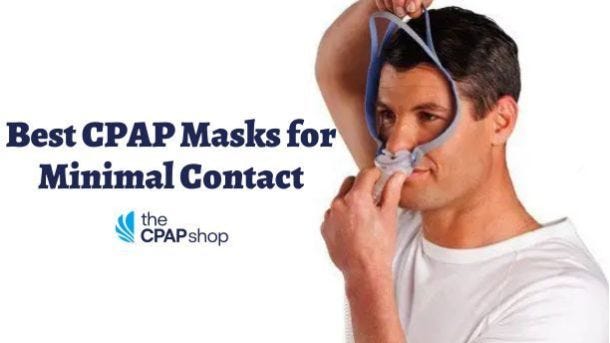
When it comes to CPAP therapy, users often complain of frustration with their equipment. Research indicates that 30-50% of CPAP users are dissatisfied with their equipment and therapy. Approximately half of CPAP patients end therapy within 1-3 weeks citing mask discomfort. Other major mask complaints include the feeling of claustrophobia. Many manufacturers are stepping up to address these issues with innovative lightweight designs, reduce facial contact, and improve the overall CPAP experience.
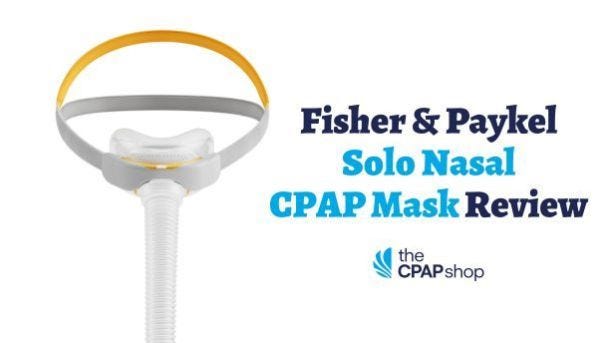
The Fisher & Paykel Solo Nasal CPAP Mask is a brand new mask, featuring both AutoFit™ and AutoLock™ technologies, that allow simple mask usage and fitting for all users. Being the world’s first AutoFit Mask, this mask simply stretches over your head and onto your face. This mask has an innovative design, and 93% of trial users rated their experience with the F&P Solo mask as simple or very simple. This CPAP mask can dynamically respond to a user’s movement in their sleep, reducing the risk of air leaks throughout the night. Learn more about this mask in this article!
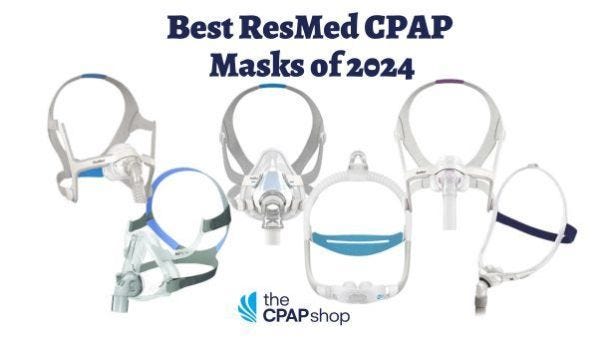
ResMed is one of the leading manufacturers of CPAP masks. Every year they introduce new technology and features that improve the experience for CPAP users. Review some of the best ResMed CPAP masks of 2024.
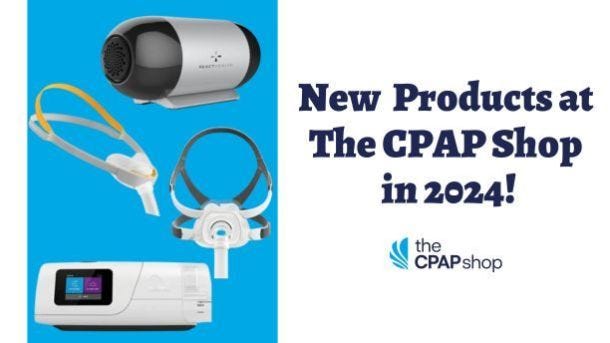
At The CPAP Shop, we are always on the lookout for the newest and most innovative products to bring to our customers to help make your sleep apnea symptoms and overall health and wellbeing better. The CPAP Shop offers hundreds of products from a variety of industry-leading manufacturers and are excited to showcase some of the new products already on sale or coming to our site in 2024. These CPAP products are equipped with innovative features, modern technologies and advancements, and are designed to improve both CPAP comfort and compliance.
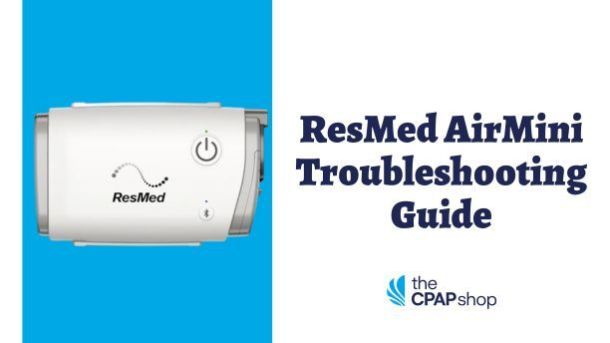
The ResMed AirMini Auto Travel CPAP provides essential therapy for patients with sleep apnea on the go. The ResMed AirMini is a user-friendly travel CPAP machine with features for enhancing sleep comfort while away from home.
For a lot of new CPAP users, and even long-time users, it can be common to experience things like sore spots, irritation, and even facial rash when using CPAP equipment. Luckily, there are ways to prevent these inconveniences to ensure that you get the sleep you need. Follow these tips to get the most out of your CPAP therapy and avoid red marks and irritation. How to Treat Sore Spots ...
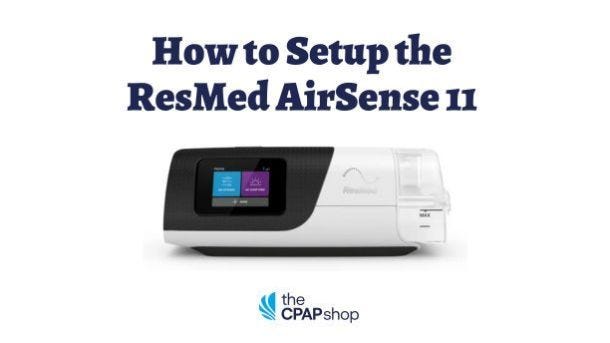
The ResMed AirSense 11 AutoSet CPAP Machine with Heated Humidifier offers all the benefits of an auto-adjusting pressure device with an integrated heated humidifier that provides soothing warm moist air to prevent CPAP side effects, wireless connectivity for ease of use, and patient support that helps you receive the best CPAP therapy possible.
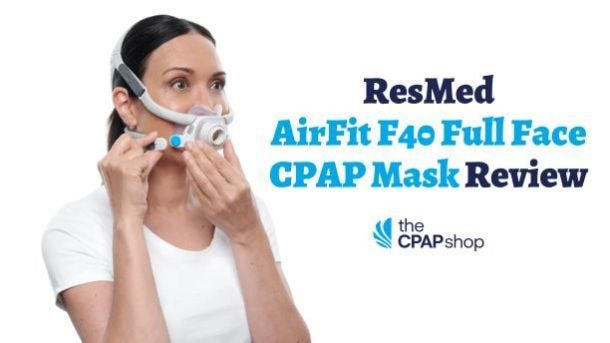
ResMed recently launched the ResMed AirFit F40 Full Face CPAP Mask, the newest mask addition to their renowned AirFit family. A full face mask performance combined with an ultra-compact design has finally become a reality, designed for all CPAP patients. This mask was created with comfort, simplicity, and performance in mind to accommodate patients' varying lifestyles and therapy needs. Learn more about what makes this mask special, who it is best for, and more in this article.
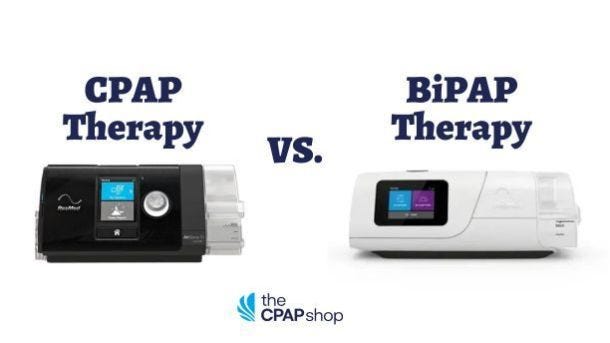
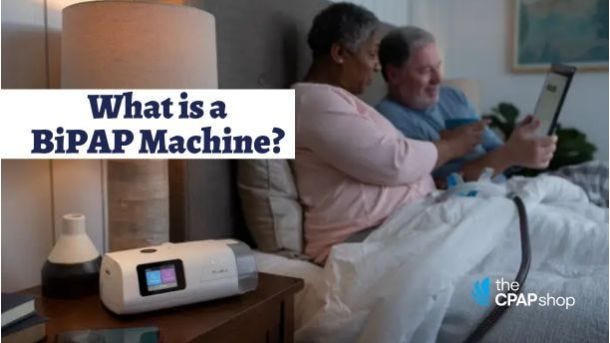
CPAP therapy and BiPAP therapy both apply to sleep apnea patients. Here are the similarities and differences between both types of therapy and the machines you may have to use.
What is CPAP?
CPAP stands for continuous positive airway pressure. Sleep apnea patients have a tendency for their airways to close, leading to disruptive and unhealthy sleep patterns. This treatment for sleep ...
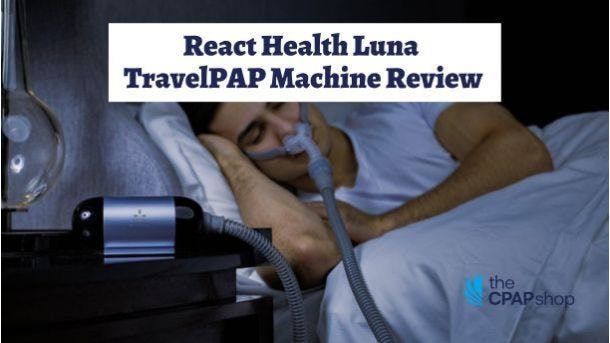
React Health recently launched the Luna TravelPAP, a small and lightweight PAP device that offers patients the freedom to get a good night’s sleep no matter where they are. This device was designed with all travelers in mind, including those who travel for business, those who travel for leisure, truck drivers, those going car/RV camping, and more! Not only is it small and highly portable, this device is easy to pack and FAA-approved for in-flight use. Learn about this innovative and compact travel CPAP machine in this article.
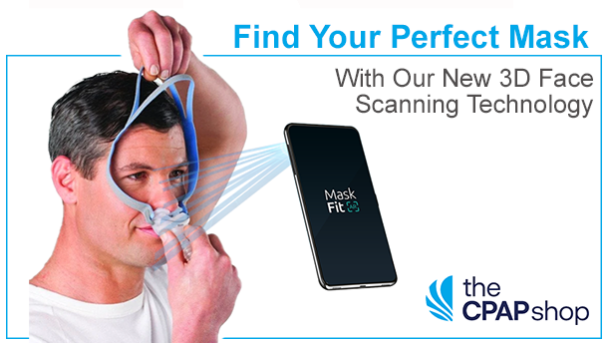
There are many styles of CPAP masks available for sleep apnea patients. But, they are not one size fits all. These masks must fit specifically to each individual in order for them to be effective and be comfortable. A comfortable CPAP mask is one of the biggest determinants of compliance; the mo...
Some patients who have been prescribed CPAP therapy may have difficulties tolerating it. Oftentimes, they experience difficulties breathing normally against their current pressure settings. If breathing becomes too difficult, the patient may require a BiPAP machine. BiPAP, or Bilevel Positive Airway Pr...
The leading form of treatment for people suffering from obstructive sleep apnea (OSA) is continuous positive airway pressure or CPAP therapy. A CPAP machine uses a hose and mask to deliver a constant flow of pressured air to keep the airway open throughout the night and reduce apnea episodes. Some CPAP users...
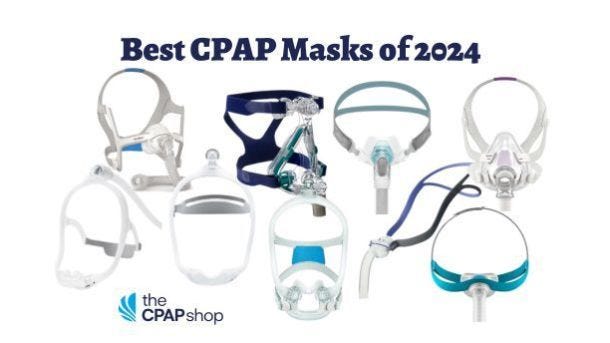
CPAP masks are always a personal choice for CPAP users. Finding the perfect fit and type can be a trial-and-error process. We have tried to streamline selecting a CPAP Mask in 2023 by compiling some of the best masks available based on our experts, reviewers, and ratings, so finding your ideal CPAP mask is easier. Check out our list below of the best CPAP Masks of 2023.
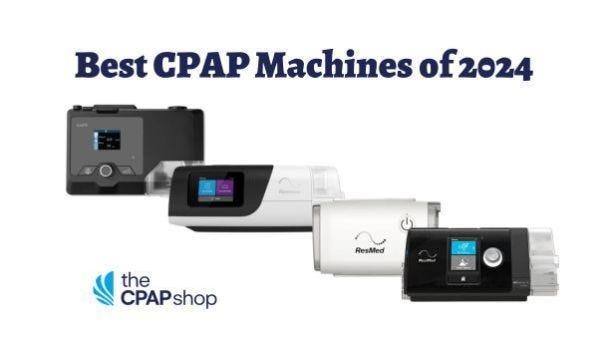
There are a lot of factors that go into selecting a CPAP machine for your therapy needs. Our experts have reviewed some of the top-rated CPAP machines and their features and benefits to help make it easier to choose a CPAP machine that’s right for you. Here are the best CPAP Machines 2024.
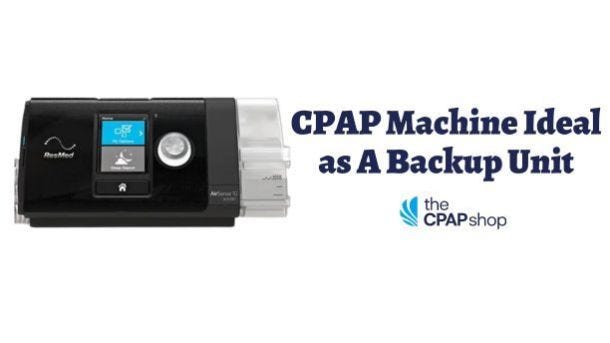
Sleep apnea patients know the importance of using CPAP therapy to help with their symptoms, overall health, and sleep quality. While having this sleep disorder, patients want to be sure they are using the best products that deliver optimal results. This will help to make therapy smoother and promote a healthy and happy lifestyle. To ensure patients are using the best products at all times, it might be useful to have a backup machine that they know they can rely on.
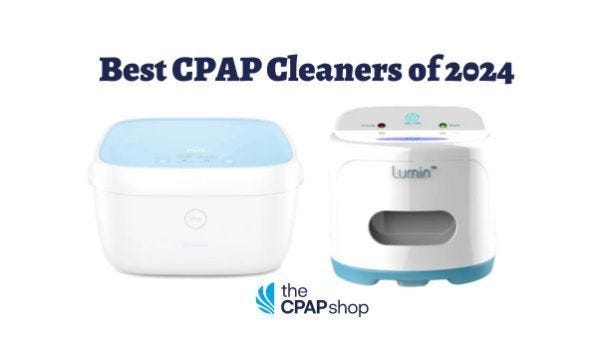
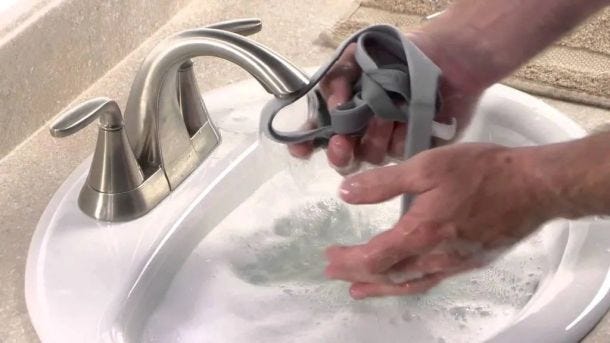
Keeping your CPAP equipment clean helps reduce the risk of illness from respiratory infections. Clean CPAP equipment also helps you stay more CPAP compliant and comfortable at night knowing you are using clean CPAP products. One of the easiest ways to maintain CPAP hygiene is with a CPAP cleaner. Review some of the best CPAP cleaners of 2024.
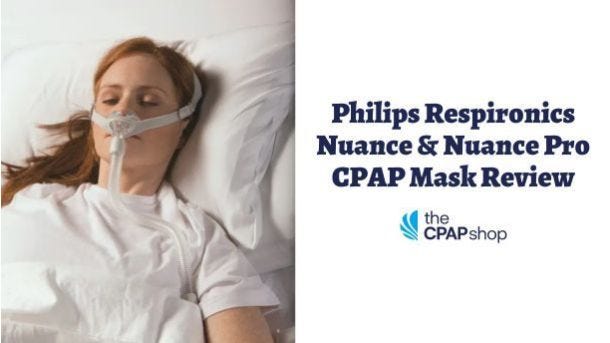
Increasing pillow comfort while maintaining a secure seal has always been the goal of CPAP mask developers. The Philips Respironics Nuance and Nuance Pro Nasal Pillow Masks advance this objective, offering maximum comfort and a consistently secure seal for pillow mask users. Philips Respironics Nuance and Nuance Pro CPAP Mask B...
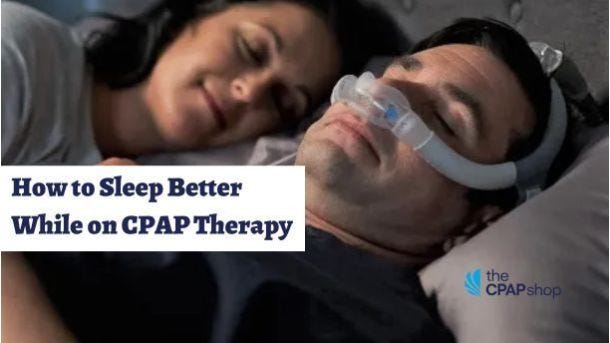
What Is CPAP Therapy? Even if you are on CPAP therapy, there are other things you can do to help make your evening conducive to a better night’s sleep and your sleep more comfortable. The study of sleep has been expanding rapidly, leading to much new research and innovative products that are available to help get you the sleep you deserve.
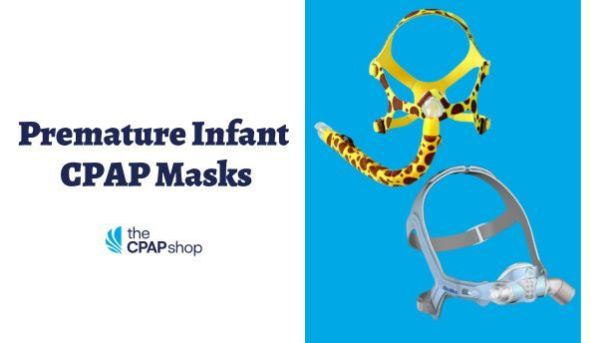
The use of CPAP masks and various forms of CPAP therapy delivery is becoming the accepted practice in pediatric medicine. This is particularly true with preterm infants with some form of respiratory disorder, which is a fairly common problem.
This post was originally posted on August 1, 2017, and updated on March 28, 2022.
CPAP therapy is not easy for a lot of users, especially those new to CPAP machines. Wearing a mask during sleep with pressurized air doesn’t feel normal and can lead to users abandoning their therapy. AutoRamp and adjustable ramp time are features available on many CPAP machines that help users get accustomed...
This post was originally posted on May 5, 2020, and updated on July 15, 2022.
While are there many health benefits to staying CPAP compliant, including better sleep, there may also be some side effects with CPAP therapy. It is not uncommon for CPAP patients to experience dry mouth or a sore throat in the morning after a night of CPAP therapy, especially if they use their CPAP machine every ...
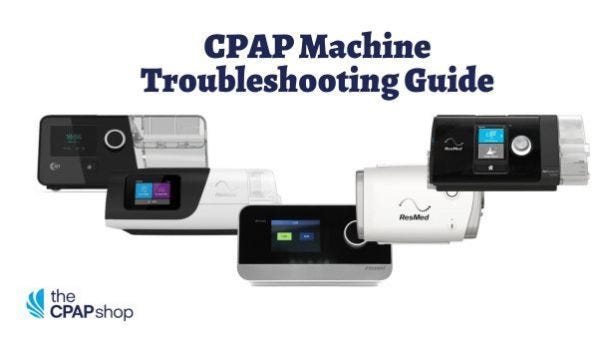
In most instances, you shouldn’t have any major issues with your CPAP machine if it is brand new. However, every now and then you might experience a problem with an older machine that requires replacement or repair. Here are a few questions to ask to ensure your CPAP machine is working properly.
How Do I Know If My CPAP Machine Is Broken?
Like any machine, CPAP machines can break down or wear ...
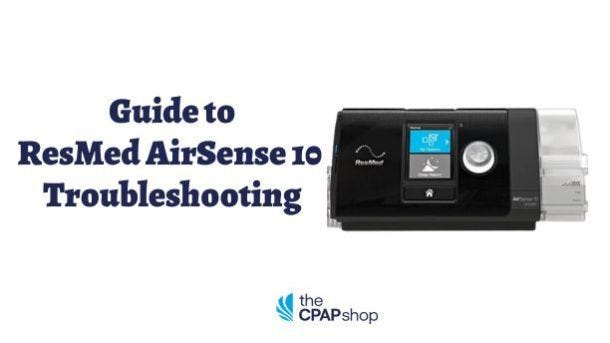
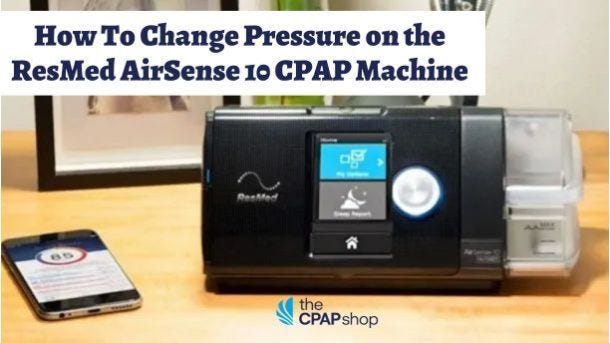
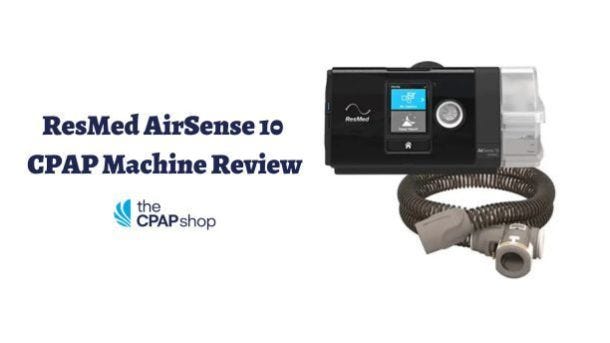
The ResMed AirSense 10 offers nights of consistently effective CPAP therapy for many people who have sleep apnea. As one of the leading brands of CPAP machines, the ResMed AirSense 10 has received five-star reviews and continues to be popular with new users just starting their therapy and those with sle...
Many patients just beginning their CPAP therapy may experience difficulty getting used to the air pressure from their CPAP machine. Most often, users describe a sense of breathlessness when exhaling against their prescribed air pressure. Pressure relief on the ResMed AirSense 10 allows individuals to adjust air pressure during exhalation for greater comfort during therapy.
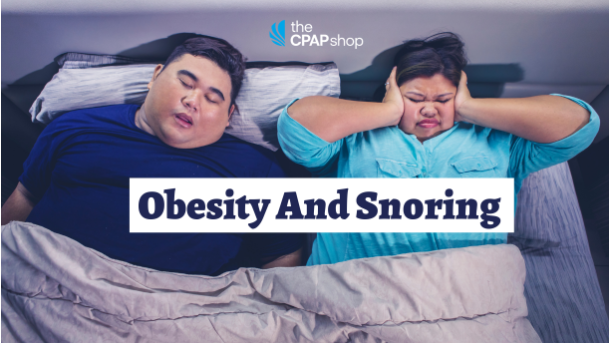
According to The Center for Disease Control, obesity has hit epidemic proportions with more than 25% of Americans being obese[1]. Obesity brings with it many health-related problems that can be controlled and reduced with proper rest and diet. One such problem is obstructive sleep apnea, a sleep-disordered breathing condition. Understanding obesity, improving one’s diet, and using a contin...
Sleep apnea can have a long-term impact on health and your daily wellness, which includes your exercise routine. Research continues to reveal the effects of sleep loss on our personal waking lives. Even while those struggling with sleep loss from sleep apnea may do their best to maintain health thr...
Getting older means an increased likelihood of sleep apnea. In general, sleep can become more difficult with age and sleep apnea becomes a common sleep disorder, affecting nearly 20% of older adults. As we get older, muscles weaken, including airway muscles, which makes seniors more likely to experience sleep apnea.
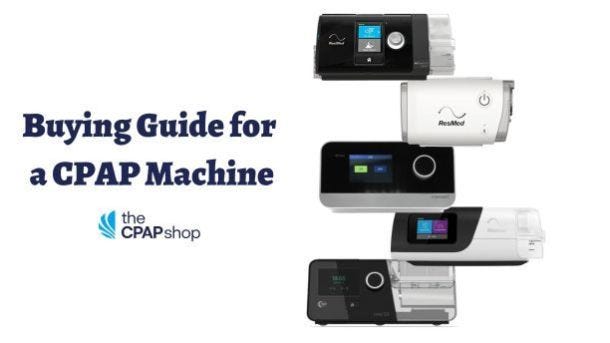
Selecting the right CPAP machine that fits your CPAP prescription needs ensures CPAP compliance and a comfortable therapy experience. Many users may try out different machines until they find one that works best for them. Here is a simple guide to help you find and choose the best CPAP machine for a good night’s sleep.
What Are CPAP Machines Used For?
CPAP machines are used to treat ...
What Is a Compressor Nebulizer?
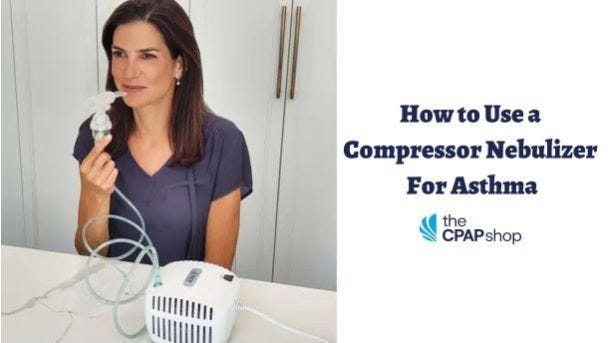
If you need a nebulizer at home, you will need a compressor nebulizer system. These devices are powered by electricity or a battery. They draw in room air and compress it. This creates a flow of air that can be used to generate misted medicine that goes deep into the lungs. Compressor nebulizers come in various forms and designs to meet the needs of those...
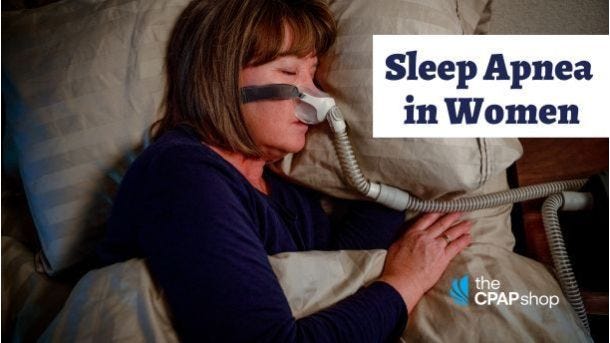
Obstructive sleep apnea is a common sleep disorder believed to affect approximately 22 million Americans, with the majority of cases remaining undiagnosed or untreated.1 Traditional research shows that men are 2-3 times more likely to experience sleep apnea than women. However, new research suggests that these estimates could be low, as women could present symptoms differently.2
Sleep a...
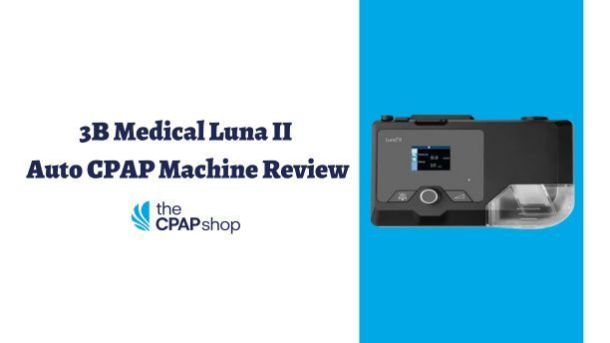
A smart CPAP machine means less adjustment and more convenience for users. The 3B Medical Luna II brings automated features that help every patient of CPAP therapy manage their nightly treatment with ease. The 3B Medical combines some of the latest in Bluetooth technology with engineering innovations that make CPAP effortless and effective for a variety of CPAP users.
Features and Benef...
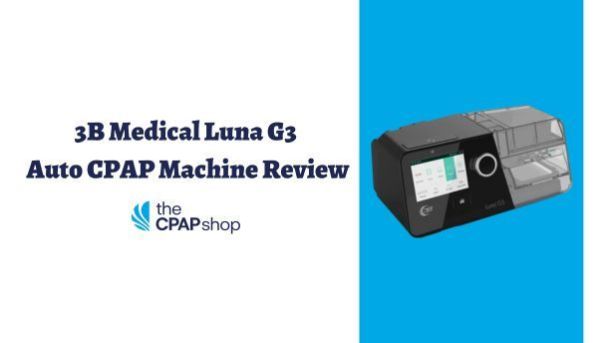
Designed to be more user-friendly, the 3B Medical Luna G3 Auto CPAP Machine makes CPAP efficient and effective for every user. New features include a built-in algorithm take the guesswork out of CPAP machine adjustment. The AutoRamp and integrated heated tubing are added benefits that provide comfort along with ease of use. This device is lightweight, weighing only 3.75 pounds, perfect to plac...
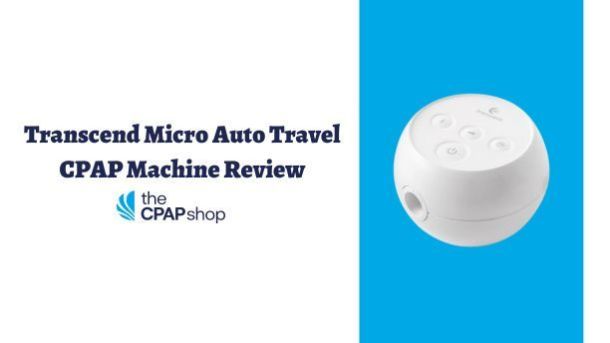
Taking CPAP therapy on the road is easier than ever with the Transcend Micro Auto Travel CPAP Machine. It is the smallest and lightest CPAP devices available on the market – weighing under 0.5 lbs. and measuring less than 4 inches. This micro CPAP machine is easy to pack or even drop in your pocket. It was designed in this compact size to be portable and convenient to use.
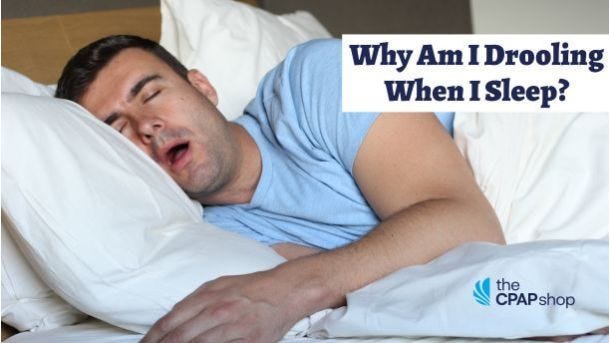
Snoring can keep your bed partner awake and even drive them into sleeping apart from you. Drooling can leave pillowcases wet in the morning and your bed partner disgusted. Accepting these sleep habits can only further drive a wedge in an intimate relationship. Respecting your partner, even while you sleep is essential to keeping your relationship healthy.
The ResMed AirSense 10 AutoSet CPAP is a whisper-quiet CPAP machine designed to provide effective CPAP therapy to all CPAP patients. Its advanced auto-adjusting settings allow users to sleep peacefully while getting the therapy they need. It includes an integrated humidifier, has several comfort features, and also has Bluetooth connectivity to transmit your sleep data to your doctor for review and make any necessary adjustments. It also has an integrated HumidAir humidifier for comfortable therapy, and a front-facing, user-friendly display screen to easily manage and navigate your sleep settings.
CPAP, or continuous positive airway pressure, is the gold standard for treating obstructive sleep apnea. Sleep apnea is a sleep disorder that causes the throat muscles to collapse during sleep, preventing oxygen from traveling to the brain and lungs. Left untreated, this disease has been linked to a number of health risks.
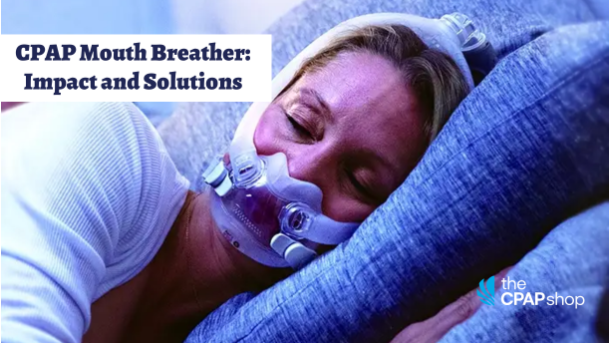
Mouth breathing is common among sleepers with and without sleep apnea. It can have an impact on those trying to manage their sleep apnea with CPAP. If you are a mouth breather while you sleep and are using CPAP, then you might want to think about your CPAP equipment options.
CPAP therapy does more than help patients manage sleep disorders, it can impact personal health overall. Research reveals that sleep apnea patients using CPAP therapy experienced boosts in physical activity. 1 As more research is conducted, the benefits of CPAP therapy are showing more value to health than just improving sleep.
How CPAP Benefits Go Beyond Better Slee...
This post was originally posted on October 21, 2021 and updated on January 28, 2022.
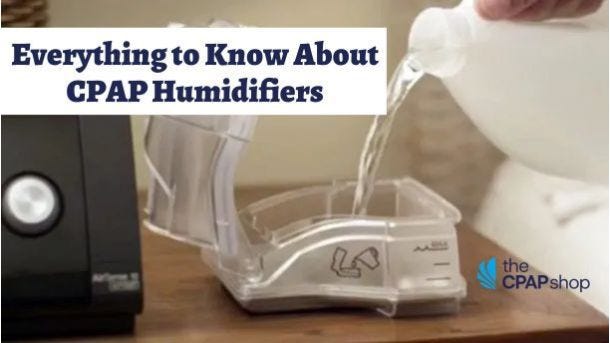
What is a CPAP Humidifier?
Dry pressurized air can sometimes lead to a sore throat or nasal irritation the next morning. CPAP humidifiers moisten the dry air of CPAP machines to reduce the side effects of PAP therapy. Moreover, they are a great feature in many machines to assist in giving users the ...
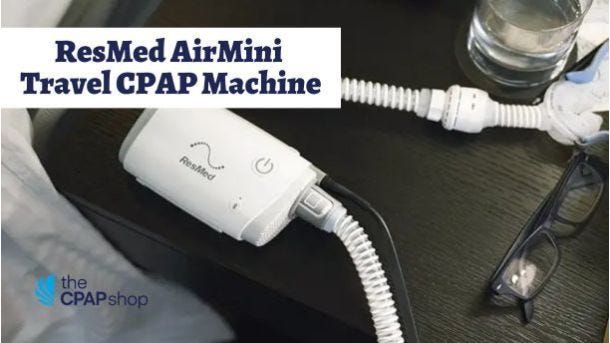
Our ResMed AirMini™ Review revealed that ResMed has listened to travelers using CPAP, and responded! One of the biggest complaints among CPAP users is the size of their unit. Not only do larger standard units make traveling more difficult, but the alternative of vacation or business travel without their CPAP could be a health risk. Traveling with sleep apnea just got a lot easier! ResMed...
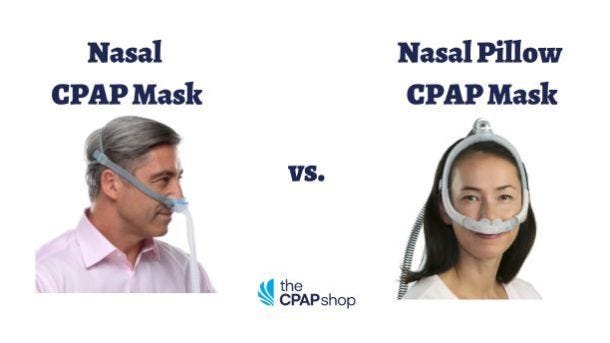
Whether you are new to CPAP or well versed in the many styles and features of CPAP masks, this brief summary will give you an idea about two different CPAP mask styles and which might be best for you.
What Is a Nasal Mask?
Traditionally, CPAP nasal masks have been the most common type of mask used in the home. In general, a nasal mask consists of a plastic frame with a triangle or pe...
Condensation build up on CPAP full face masks results in hissing sounds as the air escapes through the air vents. CPAP masks can eventually make a whistling noise over time. This does not mean your mask is defective. You can use some simple remedies to go to sleep with a quiet mask.
This post was originally posted on September 10, 2013, and updated on July 15, 2022.
With a significant percentage of Obstructive Sleep Apnea (OSA) patients suffering from some forms of glaucoma, researchers have begun to study the relationships between the two conditions over the last several years. For OSA patients that are also living with glaucoma, the questions regarding the effects of...
Sleep disorders like obstructive sleep apnea can cause you to stop breathing while you sleep. When this type of episode occurs the muscles in the back of the throat relax, allowing the airway to close. Once the airway is closed,breathing ceases. Carbon dioxide builds up and oxygen levels in the blood drop. Your brain recognizes the danger and wakes you up from sleep to start breathing again.
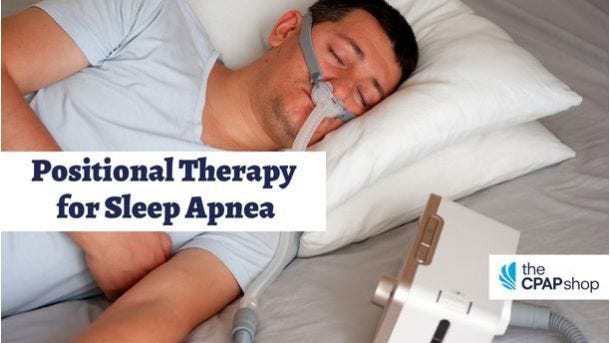
While CPAP therapy remains the gold standard for treating obstructive sleep apnea, there are other methods for managing this common sleep disorder. Positional sleep therapy is an easy way to help improve your sleep and reduce the frequency of apneas throughout the night. Positional therapy may even eliminate the need for CPAP entirely.
What is Positional Sleep Therapy?
To understand ...