We use cookies to make your experience better. To comply with the new e-Privacy directive, we need to ask for your consent to set the cookies. Cookies Policy.



Benefits of Using a Travel CPAP Machine

- Allows users to receive CPAP therapy while they are traveling, camping, going on a business trip, and more
- Built smaller and more compact, making traveling with CPAP therapy easier and more convenient
- Operates at a quiet noise level for discreet use on the go
- Equipped with many comfort features for the same effective treatment even while traveling
- Powered by a battery to assist in therapy when there is no power outlet accessible
- Gives patients peace of minding knowing they can still receive treatment even when they are away from home
Tips for Comfortable Therapy During Weather-Related CPAP Issues
Have Backup
Power Solutions
In case of a power outage during a winter storm, it is recommended to have a backup battery that is charged and ready for use.
Adjust Your Humidifier Settings
Increasing the humidifier settings in colder temperatures will allow you to sleep more comfortably if you notice dryness and irritation when the weather gets cold.
Keep Track of Your Preferred Pressure Settings
Keep a list of the humidifier settings you like for each seasonal weather change so you can make those adjustments without trial and error.
Turn Up the Heat
As well as increasing your humidifier settings, turning up your thermostat can help keep you warmer and more comfortable while asleep at night. The warmth of the ambient air will also help a CPAP humidifier operate better, providing more consistent results and fewer negative side effects.
Stay Hydrated
Drinking enough water throughout the day will also combat dryness in the nose, throat, and mouth. You can also use water-based nasal lubricants to help stay moisturized.
Maintain Your Device Properly
Change your machine filters and follow a regular cleaning routine to prevent mold and bacteria during warmer weather.
Keep Equipment Clean
Avoid the chance of further obstructing your airwways by getting sick with a cold or other illness by keeping your CPAP equipment clean. Read about a proper replacement schedule here.
Try Heated Tubing
Heated CPAP tubing will keep the air warm and more comfortable as it travels from a CPAP machine to a mask.
Checklist for CPAP Travel Prep
When diagnosed with sleep apnea, you will most likely be prescribed continuous positive airway pressure (CPAP) therapy. While CPAP therapy is mostly done at home, it should also be used when away. Regardless of when and how you are traveling or where you are going, here’s a detailed checklist to help you prepare for going away with CPAP therapy:

Check Your Equipment
Carefully examine your CPAP machine, mask, tubing, and any extra accessories at least two weeks before your trip (to give yourself time to purchase replacements if necessary). Look over all equipment for any signs of damage or wear and tear and make sure your mask parts are performing optimally. If you notice any problems with any CPAP parts or if you are in need of extra items to travel with (like a new CPAP battery), make sure you purchase them enough time in advance to bring with you for traveling.

Replace Outdated Supplies
Your CPAP parts should be on a regular maintenance and replacement schedule to make sure you are receiving the best possible therapy at all times. If your cushion, headgear, tubing, and other parts are due to be replaced, make sure you are doing that before your upcoming trip. Learn the proper replacement schedule for CPAP equipment in this blog article!

Pack Extra Supplies
Although it will take up extra space when packing, bringing extra supplies could be beneficial in case anything gets damaged or misplaced during travel. Have a backup cushion, headgear, and machine filters on hand so you are never without the essentials.

Bring a Copy of Your CPAP Prescription
Although it is not likely you will need your CPAP prescription, it could be useful to have it on hand in case of any emergencies.

Call Your Airline
If you are traveling via an airplane, call your airline ahead of time to ensure you are following their respective guidelines regarding CPAP. Also, make sure you are using your CPAP equipment as a carry-on rather than checking it so that it is never out of your sight and won’t get lost.
Purchase a Travel CPAP
Your standard or auto CPAP machine you use at home every night is likely not FAA-approved. Instead, you need a portable CPAP machine for travel, one that is smaller in size, and designed for on-the-go use. Portable CPAPs typically deliver the same effective treatment you need. Shop best-selling Travel CPAP Machines here.

Bring Distilled Water Bottles
No matter when or where you are traveling, bringing distilled bottled water with you is a good idea to use with your machine. It is not recommended to use tap or spring water as the minerals in them can damage your CPAP equipment.

Use Your CPAP Manufacturer Carrying Case
When purchasing a CPAP machine, it will come with a carrying case. Use that when traveling to pack and protect all your CPAP equipment.

Extreme Hygiene
Since CPAP therapy is designed for use every night, its numerous parts can collect bacteria, moisture, and other germy buildup. Regular cleaning of CPAP equipment can prevent the growth of harmful contaminants, reducing the risk of infections, respiratory illness, poor product performance, and more.

An Improved Night’s Sleep
Clean CPAP equipment will ensure that a user is breathing contaminant-free air, improving their overall sleep quality and sleep apnea symptoms.

Product Longevity
Regular maintenance of CPAP equipment helps maintain the integrity of the CPAP parts. By properly removing the buildup of unwanted materials, the lifespan of CPAP parts will be prolonged, reducing the effort, frequency, and cost of buying replacement parts.

Hassle-free Cleaning Sessions
Cleaning a CPAP machine and its parts can be time-consuming because of the manual process it takes to properly sanitize them. A CPAP Sanitizer automates this process, making it easier and quicker to clean CPAP equipment, and just as effective.
Compliant Cleaning Methods
Many healthcare providers recommend cleaning CPAP equipment with sanitizing machines to ensure hygiene standards are met, increasing overall compliance.
Want to Know What CPAP Machine is Best For You?
MaskFit AR is our 3D face scanning capability, able to be done all from home! The CPAP Shop has partnered with MaskFit AR to offer hassle-free, personalized shopping recommendations. Simply answer some questions, scan your face, and we’ll help you find the best mask that fits your needs.
Know Your CPAP Machine Parts

Air Filters
Air filters have a very important role in protecting a sleep apnea patient’s health and well- being. Although small and fitting discreetly inside of the machine, filters collect dust, dander, and other particles from the ambient air, allowing CPAP users to inhale clean air through the machine. This helps prevent lung irritation and other side effects.

Humidifer
Some CPAP users find that therapy can cause dryness and irritation in their airways. A humidifier, typically located on the side of the machine, adds moisture to the therapy air delivered by a CPAP machine to help users tolerate it better. The added moisture prevents airway dryness and enhances therapy comfort.
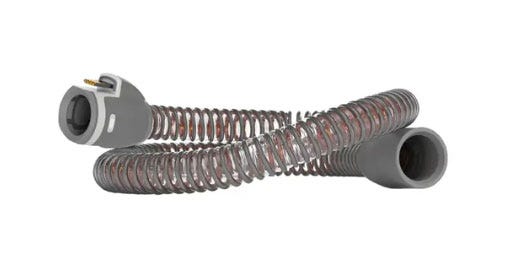
Tubing
CPAP tubing is what delivers therapy air from the machine to the mask, connecting them together. Tubing is available in different sizes, made long and flexible so that CPAP users can have some space to move around in their sleep and change sleeping positions.

Tubing Elbow
A "tubing elbow" is a small connector piece that attaches to the tubing at a 90-degree angle, helping to move the tubing out of the user’s way. It minimizes pull and allows for easy placement between the user and their nightstand.
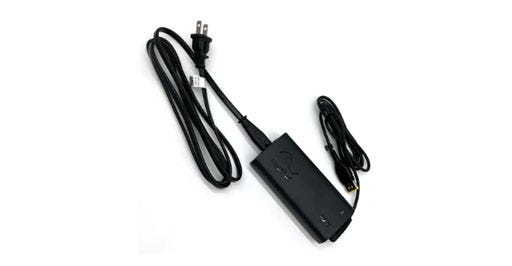
Power Supply
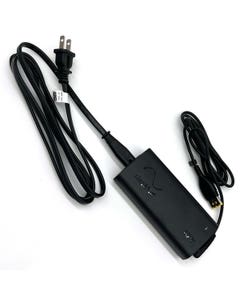
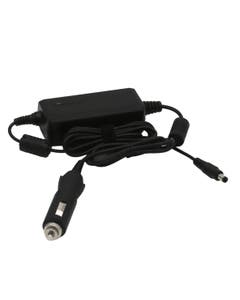
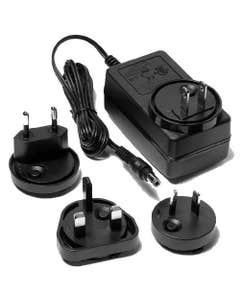
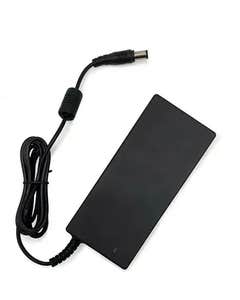
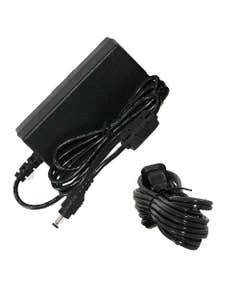
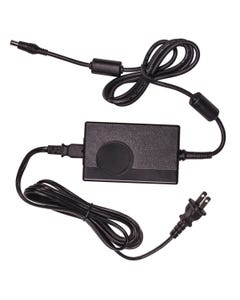
A CPAP machine power supply connects to the back of the CPAP machine and to a wall outlet to provide continuous CPAP treatment throughout the night. It gives the machine the necessary electrical current for it to function.
Features of a Travel CPAP Machine
Travel CPAP Machines vary in features, so it’s important to know which ones matter to you.
| Benefit | Function |
|---|---|
| Machine Type | Many travel devices are equipped with two therapy types: CPAP and APAP (automatic positive airway pressure). CPAPs deliver one fixed pressure throughout the night while APAP adjust therapy pressure based on a user’s breathing. |
| Noise Level | A typical travel CPAP machine operates at a noise level of 30 decibels, which is comparable to the sound of a whisper. Travel CPAPs are made to be quieter than standard machines so that they can be discreet for on-the-go use. |
| Design | Travel CPAP machines are compact in size, and smaller than traditional CPAPs so that they can be packed easily in a suit case or carry-on bag. |
| Pressure Range | Most sleep apnea patients are prescribed CPAP or APAP therapy pressures between 4-20 centimeters of water pressure (cm H2O), and most travel machines can accommodate this. |
| AutoRamp | AutoRamp begins CPAP therapy at a lower pressure setting than what is prescribed, easing the transition of starting therapy and making it more comfortable. Once the CPAP detects you are asleep, it’ll then “ramp up” to your prescribed settings. Learn more about RampTime here. |
| Exhalation Relief | Also known as EPR, expiratory pressure relief is a feature built into some travel CPAP machines that reduces the amount of air pressure while a user exhales. This lessened pressure adds comfort to therapy, making it easier to breathe. |
| FAA-Approved | Tavel CPAPs are FAA-approved and can be used in an airplane and other forms of transportation. |
| Humidity | Most travel CPAP machines do not have an integrated humidifier to keep them small in size. Instead, some have waterless humidification options that reduce irritation caused by dry air. This is especially useful when traveling to dryer envrionments. |
| App Operation | Most portable devices do not have screens and are operated using an app on a smartphone. In the app, users can start and stop therapy, adjust pressure and comfort settings, review their sleep data, receive therapy support and education, and more. |

Things to Consider When Choosing a CPAP Machine So You Know it’s Good for You
- What type of machine do I need?
- Which features (noise level, size, etc.) are important to me?
- Do I travel and need a portable machine, or should I buy one more geared toward home use?
- How do I get a CPAP prescription for therapy?
Skeptical of buying a CPAP machine Online? Don’t worry, The CPAP Shop has been a trusted medical supply retailer for over 20 years. Learn more about buying a CPAP machine online here.
Traveling with CPAP to Different Climates
When traveling, you may encounter different temperatures and environments than what you are typically used to. Before arriving at your travel destination, prepare accordingly for the weather you are about to be in.

Looking for more articles to help you with your CPAP therapy? The CPAP Shop’s blog is your go-to place for all CPAP news, tips and tricks, product reviews, and more to help you feel supported every step of your CPAP journey. Check out our blog today!
Traveling with CPAP to Different Climates
When traveling, you may encounter different temperatures and environments than what you are typically used to. Before arriving at your travel destination, prepare accordingly for the weather you are about to be in.



Looking for more articles to help you with your CPAP therapy? The CPAP Shop’s blog is your go-to place for all CPAP news, tips and tricks, product reviews, and more to help you feel supported every step of your CPAP journey. Check out our blog today!
Travel CPAPs Offered at The CPAP Shop
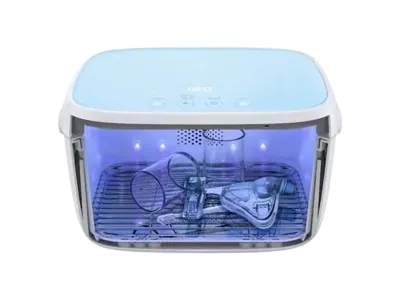
LiVilti PAPTIZER
- Eliminates approximately 99.9% of bacteria that can grow on CPAP equipment
- Made with 40 high-power LED lights for effective cleaning
- Cleans CPAP equipment and other household items in as little as 3 minutes
- Has 3 Smart Modes for effective cleaning
- Made in a compact design that is easy to transport
- Features a one-button operation for an extremely user-friendly experience
- Safe and easy to use
React Health Lumin
- Equipped with UV-C light that kills 99.9% of germs and bacteria that accumulate on CPAP parts
- Made in a simple, one-touch operation
- Disinfects CPAP masks and accessories in 5 minutes
- Built with a reflective drawer that ensures 360-degree of cleaning
- Cleans CPAP equipment and other household items
- Safe and simple to use


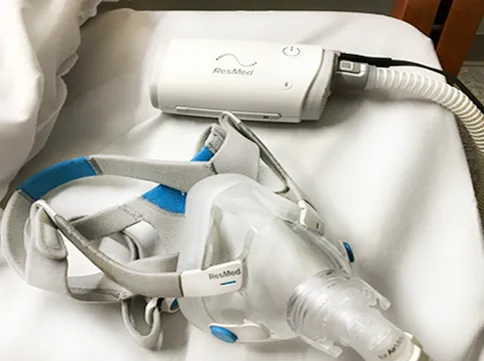
ResMed AirMini
- A premium travel CPAP designed for convenience and comfort
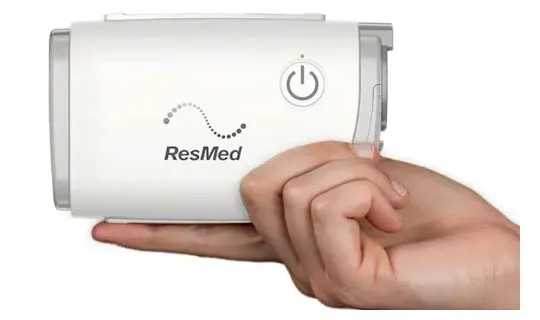
- Compact and lightweight design, weighing only 10.6 ounces
- Equipped with comfort features like AutoRamp, Expiratory Pressure Relief (EPR), SmartStart/Stop, and more
- Features integrated waterless humidification to add moisture to therapy air
- Easily fits into a suitcase or carry-on bag
- Seamlessly integrates with ResMed’s smartphone app for user-friendly operation
- Operates quietly for a peaceful sleeping environment
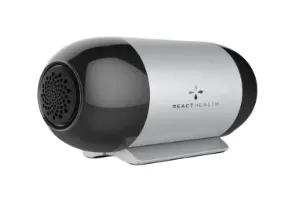
React Health Luna TravelPAP
- Designed to offer patients the freedom to get a good night’s sleep wherever they are
- Portable and easy to pack, weighing only 14 ounces
- Partners with the patient-friendly app, LightTrip (US), to operate the machine, customize settings, review therapy metrics, and more
- Equipped with RESlex Exhalation Relief to automatically detect your respiratory rhythm and adjust settings
- Includes a light on its exterior that indicates it is working properly, perfect for on-the-go use
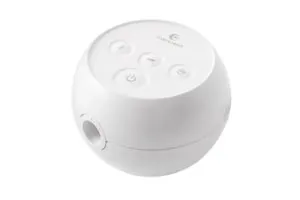
Transcend Micro
- 32% smaller and 26% lighter than the leading travel CPAP brand
- Features an ultra-portable design that is simple to pack and discreet to use in public
- Operates at a whisper-quiet design because of the included WhisperSoft Muffler and built-in sound and vibration dampening technology that minimizes noise
- Equipped with an AC power adapter for traditional use and offers the Transcend Micro PowerAway™ Battery for use while traveling
- Includes features such as GentleRise Ramp, AirRelief pressure, EZEX Pressure Relief, and more

Breas Z2
- Ultra-small and lightweight CPAP device, weighing only 10.5 ounces
- Includes advanced features like auto start and stop buttons, an integrated battery, Z-breathe technology, waterless humidification, and more
- Pairs with the Z2 Nitelog App to manage a range of functionalities and controls and view sleep therapy data
- Equipped with a reusable single-patient attachment that reduces acoustic noise for a peaceful sleeping environment
- Compatible with all CPAP masks and standard tubing

ResMed AirSense 11
- Designed to automatically adjust pressure throughout the night based on your unique needs
- Includes a built-in heated humidifier for added comfort during treatment, preventing dryness and rainout
- Operates a noise level of 27 dBa, ensuring a quiet night’s sleep
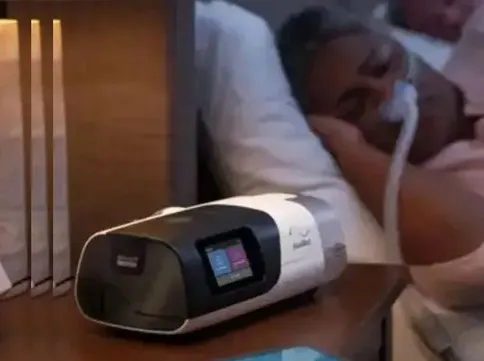
- Equipped with a large touch screen, start/stop button, auto-adjusting pressure, several comfort features, and more
- Connects to ResMed’s MyAir App to gain insights and encouragement through your treatment journey
How Do Winter Months Affect CPAP Therapy?

Dry Air
- Dry air irritates the passageways, including the nose, mouth, and throat
- The change in air may make it uncomfortable to use your CPAP machine because of the lack of moisture, potentially reducing CPAP compliance.

Nasal Congestion
- Dry air in the winter may cause nasal congestion, making it harder to breathe through the nose.
- You may need to adjust your humidifier settings or switch to a full face mask.

Higher Humidifier Settings
- To combat discomfort during colder months, making adjustments to your humidifier settings may be necessary.
- A CPAP humidifier will add more moisture to therapy air, making treatment more effective and comfortable.

Power Outages
- Some winter storms can cause the power to go out, interrupting CPAP treatment.
- Make sure you always have a charged-up CPAP battery or travel CPAP machine on hand in case of a power outage.
All Seasonal Changes with CPAP Therapy

Winter
- Air is dryer and colder in the winter months, which increases dryness and irritation in the throat, nose, and mouth.
- Adjusting the humidification of your CPAP machine can add more moisture to therapy air, combatting dryness and providing more comfortable therapy.

Summer
- Air in the summer is more hot and humid, increasing condensation.
- Condensation can cause water droplets to accumulate in the tubing and cause rainout
- Lowering your humidifier settings will reduce condensation and rainout for more comfortable treatment.
- Learn more about CPAP therapy in the summer here.

Spring & Fall
- The temperature in the spring and fall changes often, which results in multiple dew point levels. If you notice your therapy is too dry or too wet, adjust your settings accordingly.
CPAP Therapy Checklist for Winter Weather
CPAP Battery
-

-

-
-
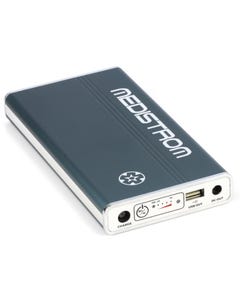 Medistrom Pilot-24 Lite CPAP Battery Backup Power Supply (for ResMed)4 Reviews
As low as $339.00 Regular Price $395.00
-
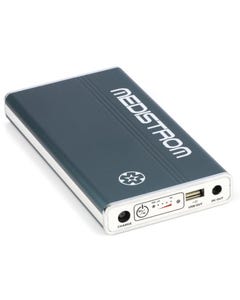 Medistrom Pilot-12 Lite CPAP Battery Backup Power Supply (for Respironics)
As low as $339.00 Regular Price $395.00
-
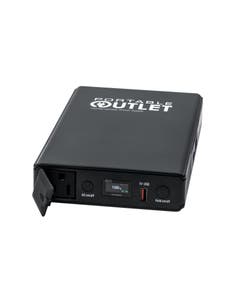
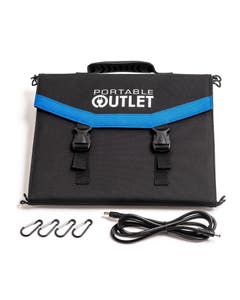 Solar Panel Charger for the Portable Outlet CPAP BatterySpecial Price $349.00 Regular Price $410.00
 -
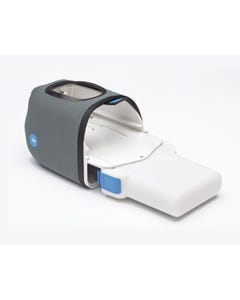 Z1 and Z2 PowerShell with Extended Life Battery1 ReviewSpecial Price $379.00 Regular Price $495.00
 -
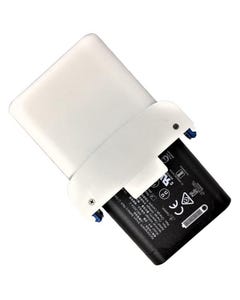 Breas Extended Life Battery for Z1 and Z2 Travel CPAP MachinesSpecial Price $329.00 Regular Price $339.00

Extension Cords and Power Strips
-
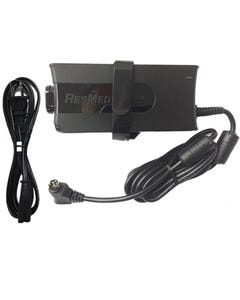 ResMed S9 CPAP Machine AC Power Supply (90 Watt) with Cord3 ReviewsSpecial Price $50.00 Regular Price $59.95
 -
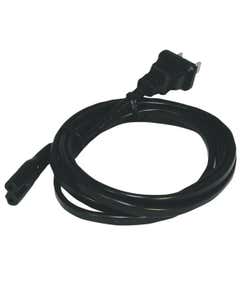 ResMed Replacement Power Cord for S8 and S9Special Price $13.00 Regular Price $19.95
 -
-
-
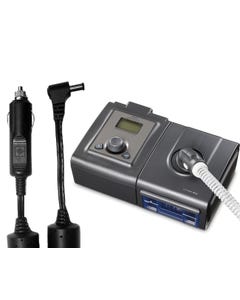

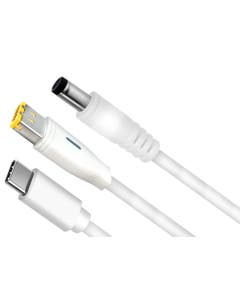
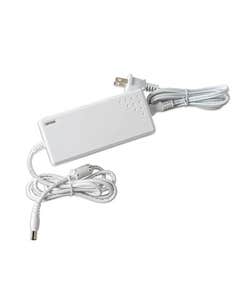
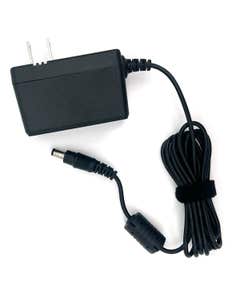
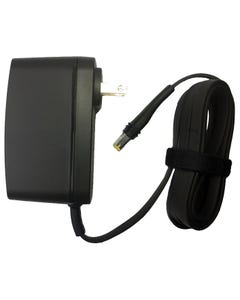
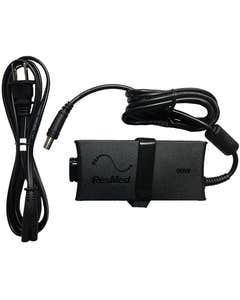
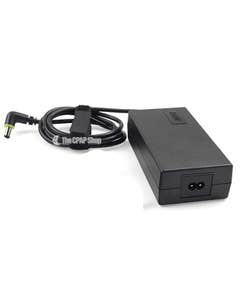
Power Adapters
- ResMed S9 CPAP Machine AC Power Supply (90 Watt) with Cord3 ReviewsSpecial Price $50.00 Regular Price $59.95
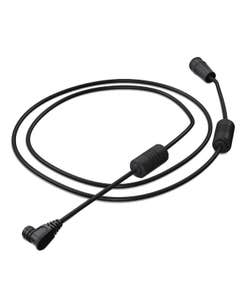
- ResMed Replacement Power Cord for S8 and S9Special Price $13.00 Regular Price $19.95
-
-
-
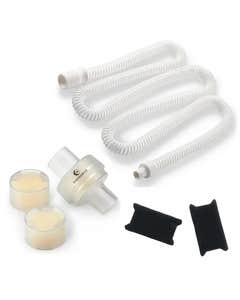
Spare Replacement Supplies
-
-
-
-
-
-
-
-
-
-
-
-
- ResMed Replacement Power Cord for S8 and S9Special Price $13.00 Regular Price $19.95


Popular Videos about Travel CPAP Machines
Popular CPAP Masks for Every Lifestyle





Parts CPAP Sanitizers Can Clean
The CPAP Shop proudly offers CPAP machines from top-selling brands that excel in performance and comfort.

ResMed is a leading manufacturer in the CPAP industry, offering a range of cloud-connected devices that help patients manage their sleep apnea. They offer a range of CPAPs, BiPAPs, and travel machines to accommodate a range of CPAP users.

Resvent is a world leader in respiratory equipment, offering a CPAP machine product line, iBreeze, that is designed to help patients compliance with therapy.

React Health Medical is a trusted distributor and manufacturer of sleep therapy and oxygen therapy products. Its popular product line of Luna machines are available in both CPAP and BiPAPs. React Health is committed to empowering all sleep apnea patients to thrive in health and wellness.

Breas Medical is a leading manufacturer of medical equipment for sleep apnea treatment. Breas created and sells high-quality CPAP products that improve a person’s quality of life. They are committed to innovation and quality in all of their product offerings.

Although Fisher & Paykel Healthcare’s CPAP device is no longer sold in the US, its parts are still offfered at The CPAP Shop for those who continue to use this device. F&P’s expertly- designed parts help users have effective and comfortable CPAP therapy.

Trascend’s mission is to deliver effective sleep apnea treatment in devices that are suitable for all CPAP users, including those who live active lifestyles with frquent travel plans and varying sleep locations.





Replacement Schedule of CPAP Machine Parts
- Cushions: every 3 months
- Headgear: every 6 months
- Filters: look at your
machine manufacturer’s
instructions - Humidifiers: every 6 months
- Tubing: every 90 days
- Machine: every 5 years
Cleaning and Maintenance of CPAP Equipment - The CPAP Shop
Daily cleaning and maintaining CPAP equipment is very important. This article by The CPAP Shop details how and
Latest CPAP Machine Videos
ResMed AirSense 11 AutoSet CPAP Machine Review
Showcasing product details, how to set it up, its unique features, and more
How to Set Up ResMed AirSense11
A detailed review for setting up this popular Resmed Machine
How to Connect Your AirMini to Bluetooth
Guided instructions to connecting this best-selling travel CPAP machine to Bluetooth.
Follow The CPAP Shop’s YouTube Page
Join our YouTube community! With 11,000 subscribers and counting, viewers of our page can watch CPAP tutorials,
product reviews, and learn tips and tricks to receive the best CPAP therapy possible.
11,770 +
Subscribers
190 +
Videos
5.3 Million
Views
Still Have Questions?
Our team at The CPAP Shop would be happy to help you!
Popular Articles and Product Reviews about Travel CPAP Machines

Best Travel CPAP Machines of 2025
Compiled by our experts, reviewers, and customer ratings
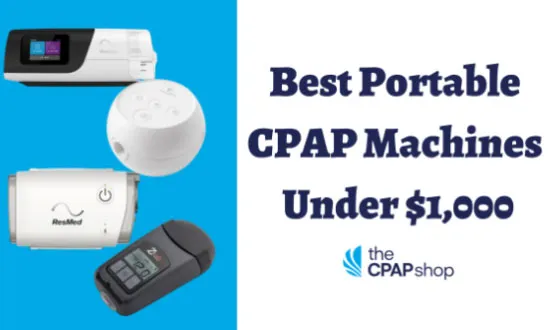
Best Portable CPAP Machines Under $1,000
Check out the best-selling, budget-friednly portable CPAP machines

React Health Luna TravelPAP CPAP Machine Review
Offers patients the freedom to get a good night’s sleep no matter where they are
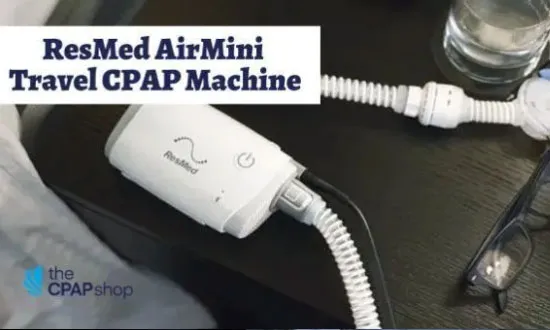
ResMed AirMini AutoSet Travel CPAP Machine Review
Provides effective CPAP treatment in a small, compact design

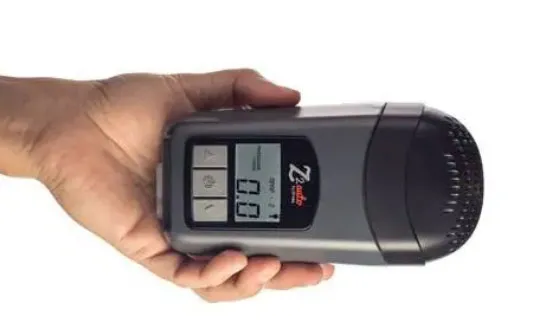
Breaz Z2 Auto Travel CPAP Machine Review
Features an advanced algorithm for more comfort on-the-go

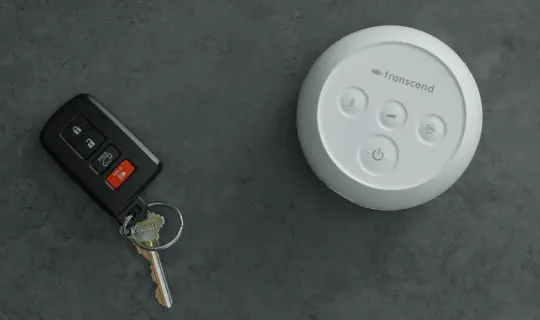
Transcend Micro Auto Travel CPAP Machine
The smallest and lightest CPAP device available on the market
Looking for more articles to help you with your CPAP therapy? The CPAP Shop’s blog is your go-to place for all CPAP news, tips and tricks, product reviews, and more to help you feel supported every step of your CPAP journey. Check out our blog today!
Looking for More Articles to Help You With Your CPAP Therapy
The CPAP Shop’s blog is your go-to place for all CPAP news, tips and tricks, product reviews, and more to help you feel supported every step of your CPAP journey.
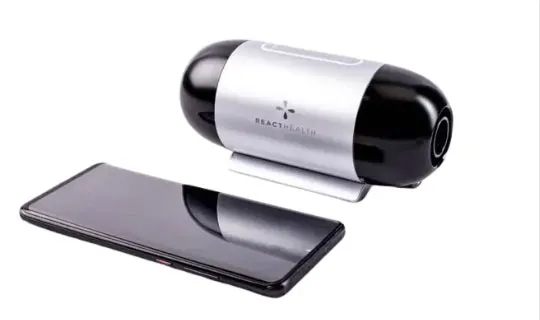
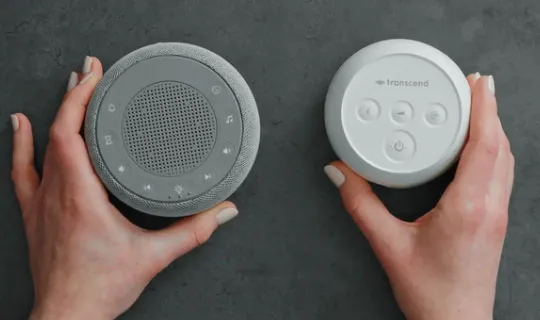
How Small is a Travel CPAP Machine Really?

PRE-TRAVEL:
What You Need to Bring When Traveling with CPAP
Use this as a guide when packing all your CPAP equipment for a trip away.
Travel CPAP Machine FAQs
A travel CPAP machine works the same as a home CPAP does by delivering pressurized air to a user to keep their airways open at night, designed to treat sleep apnea. However, travel CPAPs are made more compact in size for treatment while traveling or on the go. Travel CPAPs are FAA-approved, and allowed to be used on flights, cruises, or other modes of transportation.
Travel CPAP machines are smaller and lighter than standard home machines, and designed for use while traveling. Although they are effective enough for regular use, that may result in a shorter lifespan of the machine than if it were only used during certain occasions. We recommend reading your manufacturer’s guide for more information.
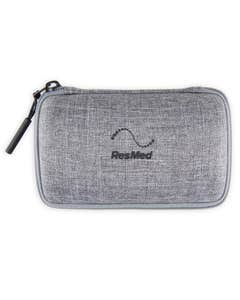
Your CPAP machine should’ve come in a carry bag when you first purchased it. We recommend using that bag when traveling as it will fit your machine and all of its accessories (like tubing and power cord). Travel bags are also available for purchase on our website.
No, your portable CPAP machine does not count as a carry-on as the FAA does not allow airlines to count it as one. For more information, we recommend calling your airline.
Yes, travel CPAP machines can be used while camping if it is plugged into an external power source, such as a generator or a battery. Learn more about camping on CPAP therapy.
Most portable CPAP machines can run on battery power for approximately 1-2 nights, depending on the machine’s settings and your prescribed pressure settings. Shop high-quality batteries here.
5 Common Concerns About Starting CPAP Therapy
Don’t sweat it! Starting CPAP therapy can be a big adjustment, so having questions and concerns is completely normal.
The CPAP Shop is here to help ease that transition. Here are 5 common concerns new CPAP users often have:
This is one of the most common questions we hear. New users often worry about claustrophobia and discomfort and whether they will be able to move around while sleeping. To combat these feelings, make sure the mask you choose fits properly to you, as that is crucial to successful CPAP therapy. If you can’t tolerate your mask, you won’t use the machine.
It’s very normal to want to know how long it’ll take to start seeing symptom and overall health improvements to make sure the time and effort of CPAP therapy is paying off. The good news is CPAP therapy can start working almost immediately, with some patients noticing improvements after only one night of treatment. However, it may also take up to 1-2 weeks to fully adjust and see the benefits of treatment. Managing those expectations and understanding the benefits of therapy (increased energy, mood, health, and much more!) can motivate you to stick with therapy. As with many things, consistency is key!
Dry mouth, nasal congestion, skin irritation, and swallowing air are all potential side effects that can worry new users. Addressing these concerns upfront allows you to learn about solutions and preventative measures, like using a humidifier (used to add moisture to the air for more comfortable therapy) and adjusting your CPAP mask to fit correctly on your face.
CPAP machines and masks require regular cleaning to prevent the build-up of germs an bacteria (that can cause infections) and ensure proper function. This can feel overwhelming at first having to stick to a new routine, but patients will quickly learn that proper cleaning is essential for your health and the longevity of your equipment. A clear understanding of the process will make it less daunting.
CPAP therapy is a long-term commitment, and you will need to figure out how to integrate it into your daily life and social situations to see optimal results. Thankfully, CPAP products vary in size, noise level, and design to accommodate users whether they are traveling, sharing a bed with their partner, and more. Addressing your specific lifestyle habits and concerns can help you develop strategies for managing CPAP use in various situations, leading to greater adherence and overall success.